No products in the cart.
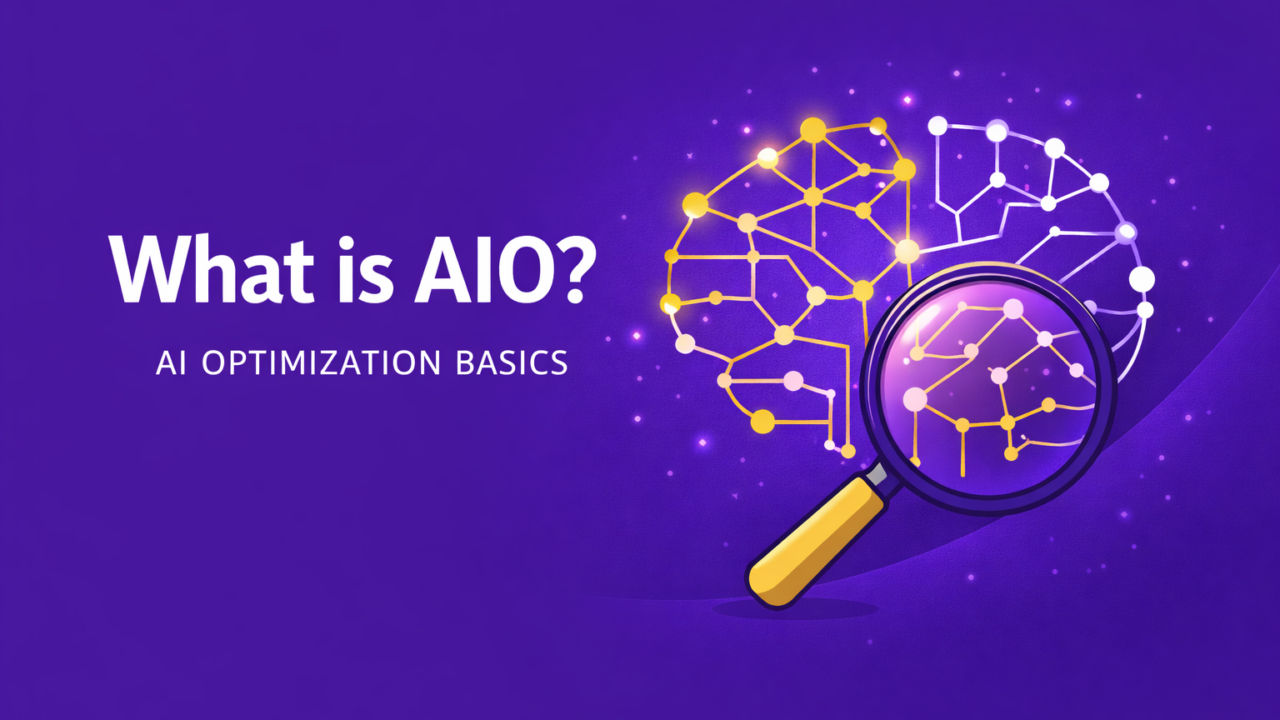
Artificial intelligence (AI) is quickly becoming part of how people research information online. Instead of relying solely on traditional search engines, many users now ask questions directly to AI tools like ChatGPT, Perplexity, and AI-powered search results. These systems gather information from across the web and summarize it into clear answers.
This shift has created a new concept called AI Optimization, often shortened to AIO. In this guide, we will explain what AIO means, how it differs from traditional SEO, and how creators and small businesses can structure their content so AI systems can understand and reference it more effectively.
What Is AIO?
AI Optimization (AIO) is the practice of structuring digital content so that artificial intelligence systems can easily understand, interpret, and reference it when generating answers or summaries.
Unlike traditional SEO, which focuses on ranking webpages in search engine results, AIO focuses on making information clear enough for AI systems to extract, summarize, and cite in conversational responses.
AI systems frequently analyze online content when answering questions. These systems interpret pages to identify useful explanations, definitions, and structured information.
AI tools interact with content in several common ways:
- Summarizing information from multiple sources
- Answering user questions using web content
- Extracting definitions and explanations
- Recommending tools, services, or resources
- Identifying authoritative sources on a topic
Because of this, websites are no longer competing only for search rankings. They are also competing to become trusted sources that AI systems use when generating answers.
Why AI Optimization Matters
AI-powered search experiences are changing how people find information online. Many users now begin their research in AI tools rather than traditional search engines.
Instead of typing short queries like “SEO tools”, users might ask more detailed questions, such as:
- “What tools help small businesses manage SEO?”
- “How do I optimize my website for AI search?”
- “What is the difference between SEO and AI optimization?”
AI systems analyze information across the web to produce answers to these questions. When evaluating sources, they tend to favor content that is clear, structured, and easy to interpret.
Content that performs well in AI systems often has several characteristics:
- Clear explanations of concepts
- Logical structure with headings and sections
- Consistent terminology
- Useful examples or comparisons
For businesses and creators publishing online, this creates a new opportunity. Content that clearly explains a topic can become part of the information AI systems reference when responding to user questions.
What This Means for Small Businesses
For small businesses and independent creators, AI optimization creates a new visibility channel.
Historically, gaining online visibility meant competing for positions in search results. While that still matters, AI tools now influence how people discover websites, services, and tools.
This means helpful educational content can have long-term value. If your website consistently explains topics clearly, it becomes more likely that AI systems will reference or summarize your content when answering questions.
How AIO Differs From Traditional SEO
AI Optimization builds on many of the same principles as SEO, but the focus is slightly different. Traditional SEO prioritizes ranking signals, while AIO prioritizes clarity and information quality.
Understanding this distinction helps explain why structured content is becoming increasingly important.
SEO vs AIO
| Aspect | SEO | AIO |
|---|---|---|
| Primary goal | Rank webpages in search results | Help AI systems interpret and summarize content |
| Key signals | Keywords, backlinks, authority | Clarity, structure, information value |
| Content style | Often optimized for search queries | Written to answer real questions |
| Output | Search result rankings | AI-generated responses and summaries |
In practice, strong SEO and strong AIO often overlap. Content that is clear, authoritative, and helpful tends to perform well in both environments.
How AI Systems Use Website Content
Understanding how AI tools interpret web pages clarifies why content structure matters.
Most modern AI systems rely on large language models trained on large datasets. These models learn patterns in language and information across many documents.
When generating answers, AI systems often combine several approaches.
They may:
- Analyze knowledge learned during training
- Pull insights from indexed web content
- Synthesize information from multiple sources
Some AI tools also use real-time web retrieval. This allows them to access current web pages and incorporate recent information into their responses.
When evaluating content, AI systems tend to prefer pages that are easy to interpret.
Characteristics that make content easier for AI include:
- Clear headings and sections
- Direct explanations of concepts
- Logical organization of ideas
- Consistent terminology
Content that lacks structure or clarity is harder for AI systems to summarize accurately. As a result, clear educational content often performs better than pages that rely solely on marketing language.
Key Principles of AI Optimization
AI Optimization does not require complex technical tricks. In many cases, it simply involves structuring content to make knowledge easier to understand.
Several practical principles can help AI systems interpret your content more effectively.
1. Write Clear Explanations
AI systems perform best when content explains ideas directly.
Instead of relying on complicated language or vague marketing claims, focus on answering common questions clearly.
Content often performs well when it directly addresses questions such as:
- What is AI optimization?
- Why does AI optimization matter?
- How does AI optimization work?
When ideas are explained clearly, both readers and AI systems can understand them more easily.
2. Use Structured Headings
Headings organize information and signal how ideas connect.
Well-structured articles typically include clear sections and supporting subsections.
Effective content structure often includes:
- H2 headings for major sections
- H3 headings for deeper explanations
- Logical progression from basic concepts to practical guidance
This structure makes it easier for both readers and AI systems to identify the most important ideas.
3. Focus on Real Questions
Many AI interactions begin with a question. Users tend to phrase queries conversationally when interacting with AI assistants.
Because of this, content that answers real questions often performs well in AI-driven environments.
For example:
- “What is AIO?”
- “How does AI optimization work?”
- “How can a business optimize for AI search?”
Articles structured around real questions are easier for AI systems to reference when generating responses.
4. Prioritize Information Over Promotion
AI systems tend to ignore content that reads primarily as advertising. Pages that focus heavily on selling products often provide less useful information.
Instead, AI tools favor content that teaches or explains concepts.
Strong informational content often includes:
- Clear definitions
- Practical examples
- Step-by-step insights
- Comparisons or summaries
For businesses, this often means leading with education rather than promotion. When readers gain useful knowledge, your expertise becomes visible.
5. Build Topical Authority
AI systems often evaluate how consistently a website covers a topic.
Sites that publish multiple related articles about a subject are more likely to be recognized as reliable sources.
For example:
- A website that publishes guides about SEO
- Articles explaining AI tools and workflows
- Tutorials on content systems and digital tools
Over time, publishing related content helps establish authority around specific topics.
What This Means for Creators and Consultants
Independent creators and consultants can benefit significantly from this approach.
You no longer need a large company or massive marketing team to produce regular, useful educational content. Consistency and clarity matter far more.
Publishing helpful explanations about your area of expertise can gradually build credibility with both readers and AI systems.
Practical AIO Tips
If you run a small business or independent project, optimizing for AI does not require complicated technical changes. In many cases, it comes down to improving how your content is written and structured. Several practical steps can help.
1. Publish Educational Guides
AI systems frequently reference educational content when answering questions.
Helpful formats include:
- How-to guides
- Concept explanations
- Tool comparisons
- Tutorials and walkthroughs
If your business helps people solve problems, educational content naturally supports AI optimization.
2. Write With Clarity
Clear writing improves both SEO performance and AI interpretation.
When creating blog posts or guides, focus on:
- Short paragraphs
- Descriptive headings
- Direct explanations
- Concrete examples
The goal is to make the content easy for both humans and machines to understand.
3. Connect Related Articles
AI systems often analyze how topics relate to one another.
Internal linking helps establish those relationships. For example:
- An article about AI optimization
- A guide to SEO fundamentals
- Tutorials about content structure
- Overviews of AI research tools
These connections help establish topical clusters that signal expertise.
4. Keep Content Updated
AI systems tend to favor information that appears current and relevant.
Updating articles periodically helps maintain their usefulness.
Updates might include:
- Refreshing examples
- Updating statistics
- Expanding sections with new insights
Even small updates can signal that content remains valuable.
AI Optimization Tools
As interest in AI visibility grows, several tools are emerging to help businesses understand how their content appears in AI-generated responses. Most of these platforms focus on monitoring brand mentions in AI answers, identifying visibility opportunities, and analyzing how AI systems interpret content. Below are several tools currently experimenting with AI visibility tracking.
Semrush AI Visibility
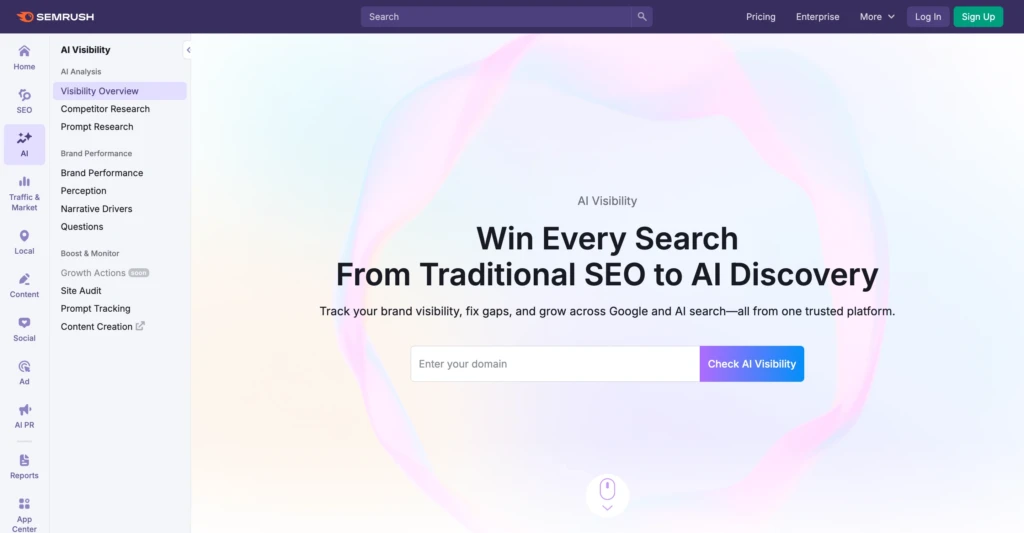
Semrush is a long-standing search marketing platform. Their AI Visibility tool introduces features to measure how brands appear in AI-generated search experiences and help marketers understand whether their content is referenced by AI.
Ahrefs Brand Radar
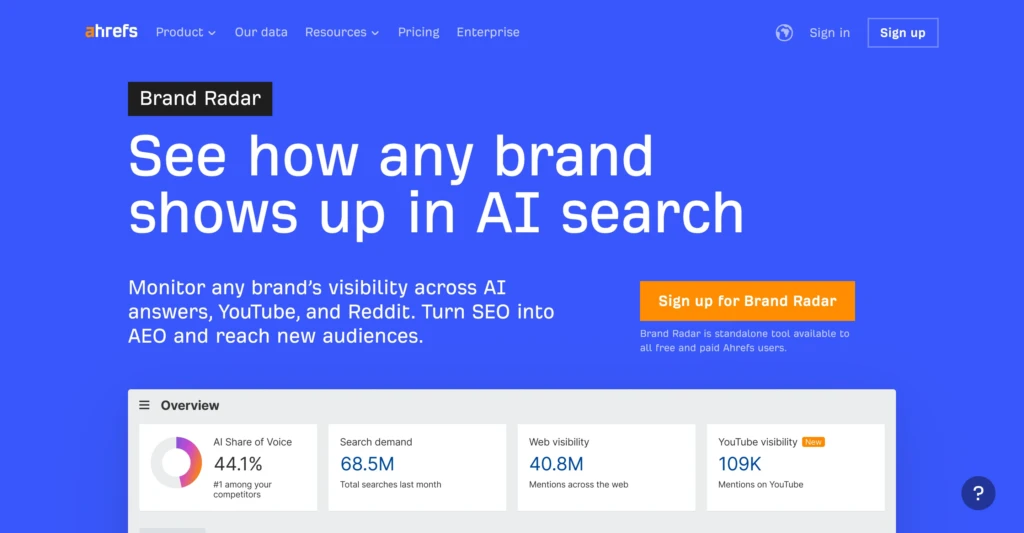
Ahrefs Brand Radar tracks brand mentions in AI-generated responses. It helps businesses see when their brand appears in AI answers and identify which competitors are being referenced.
Amplitude
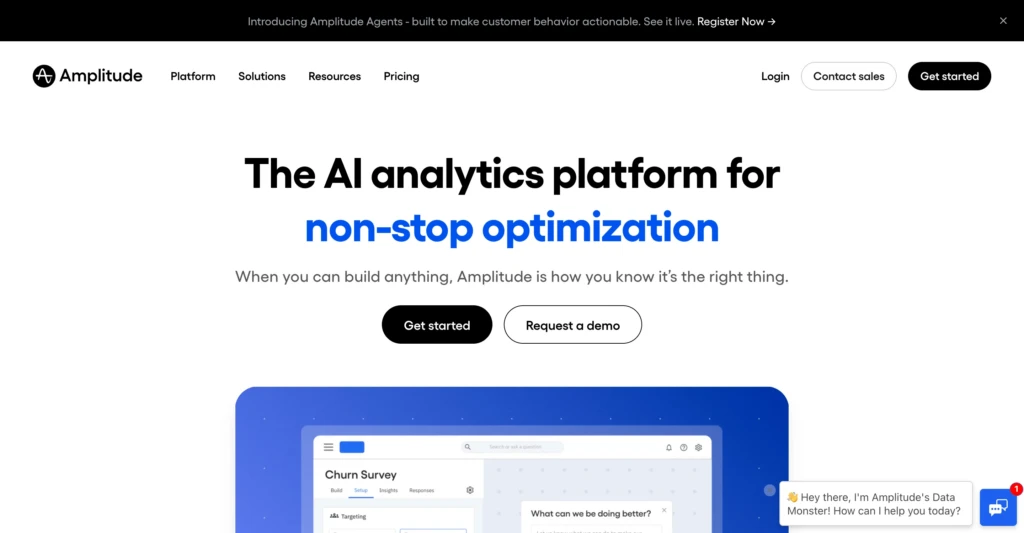
Amplitude is primarily a product analytics platform, but it can help teams understand traffic patterns influenced by AI discovery. By analyzing referral behavior and user flows, it can reveal when visitors arrive through AI-assisted search environments.
Profound
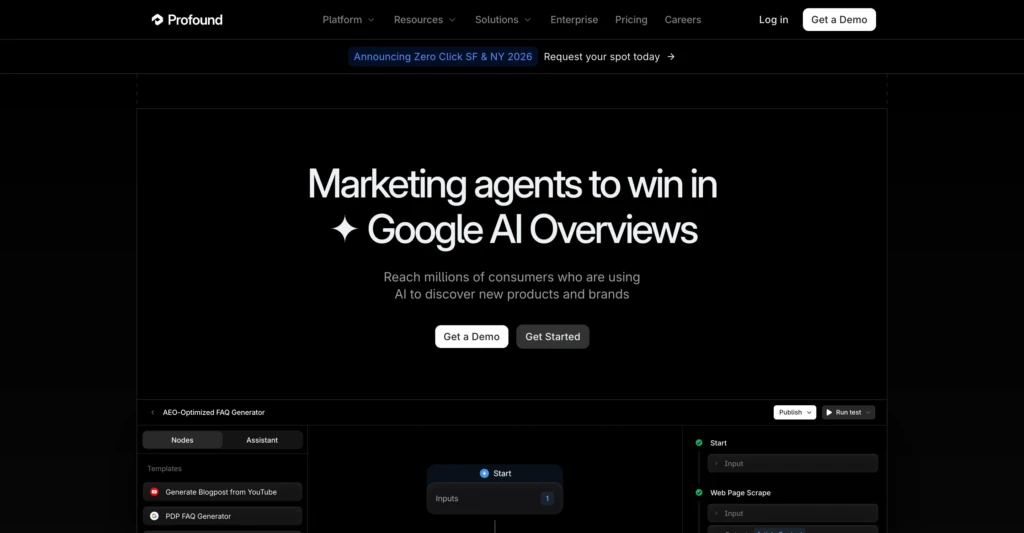
Profound is a platform focused specifically on AI visibility monitoring. It tracks how often brands appear in AI-generated answers across different systems and helps teams understand where their content is influencing AI responses.
Putting AIO Into Practice
Understanding concepts like SEO and AI optimization is one thing. Applying them effectively to your own website is another.
TCB Studio works with small businesses, creators, and digital teams to improve how their websites, content, and digital tools work together. This includes SEO strategy, AI workflow consulting, and building practical digital products that support long-term growth.
Learning how to structure information clearly is an excellent starting point. If you want guidance on implementing these ideas, TCB Studio can help you turn strategy into practical action. Reach out.