No products in the cart.

Video content has become incredibly valuable for creators, businesses, and educators. Its immersive nature makes it a powerful medium for storytelling, education, and marketing. Many have found significant financial opportunities with video across various platforms.
This guide explores the importance of video in digital content, offering insights into the top video platforms and their financial models. By the end, you should understand the basics and what to do next to learn more about using video online.
Importance of Video Content
Video content has transformed digital communication, offering a versatile and engaging medium. Its significance for businesses and creators has grown exponentially. Here’s why:
- Enhanced Engagement and Retention: Videos can capture and maintain a viewer’s attention more effectively than static images or text. The combination of visuals and audio allows for a richer storytelling experience. This translates into better recognition and connections.
- Boosts Conversion Rates: For businesses, video content isn’t just about brand awareness; it’s also a powerful tool for conversions. Product demos, testimonials, or explainer videos can provide potential customers with the information they need to make a purchase, often more effectively than written content. (Oh, the hours wasted watching product review videos.)
- Builds Trust and Authenticity: Video allows businesses and creators to showcase their personality, making them more relatable and trustworthy. For businesses, behind-the-scenes looks or customer testimonials can humanize a brand.
- Expands Audience Reach: With platforms like YouTube, TikTok, and Instagram prioritizing video content, creators can reach global audiences. Businesses can tap into new markets, and individual creators can build diverse, worldwide fan bases.
- Offers Multiple Monetization Avenues: Video platforms present various revenue streams, including ad revenue, sponsored content, memberships, and merchandise sales. Video content can become a significant source of income.
- Enhances SEO Efforts: Hosting videos on your site can improve your SERP rankings by showing up as a video snippet rather than plain text. This increases clickthrough rates and drives traffic. Furthermore, most of the time, video results appear on competitive pages; it’s YouTube, so providing content there can increase search performance and discoverability.
- Encourages Social Sharing: Videos, especially those that are entertaining or evoke strong emotions, are more likely to be shared on social media. For both businesses and content creators, this virality can lead to increased visibility and brand recognition.
The power of video content lies in its ability to convey messages compellingly, fostering a stronger, more authentic connection between the brand or creator and its audience. Whether you’re a business looking to drive sales or a content creator aiming to grow your community, video content is an indispensable tool.
Popular Video Platforms and Monetization Options
Numerous platforms offer different types of audiences, content formats, and monetization techniques. Understanding the nuances of each platform can help you identify where your content will thrive and generate the most financial gain.
YouTube
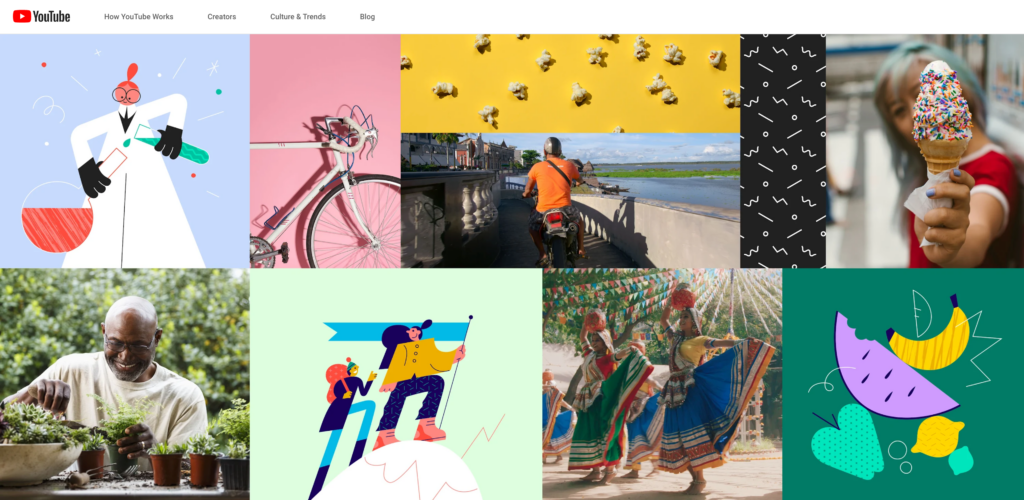
YouTube is the world’s largest video-sharing platform. It caters to a wide range of content categories, from tutorials to vlogs, music videos, reviews, and whatever people want to share.
Virtually any type of content can be found on YouTube, making it a versatile platform for content creators of all niches.
Monetization: Creators can earn through AdSense, channel memberships, super chats during live streams, and sponsored content. Additionally, the YouTube Partner Program allows creators to share in the revenue generated from ads displayed on their videos.
Twitch
Predominantly known for live-streaming, especially in the gaming community, Twitch has been expanding its content spectrum to include talk shows, music, and even some traditional video content.
While gaming streams dominate, there’s a growing segment of “Just Chatting” streams, music broadcasts, and educational content.
Monetization: Streamers can earn money through ads, viewer donations, affiliate sales, and channel subscriptions. Twitch also has a Partner Program that offers additional earning potential and perks.
TikTok
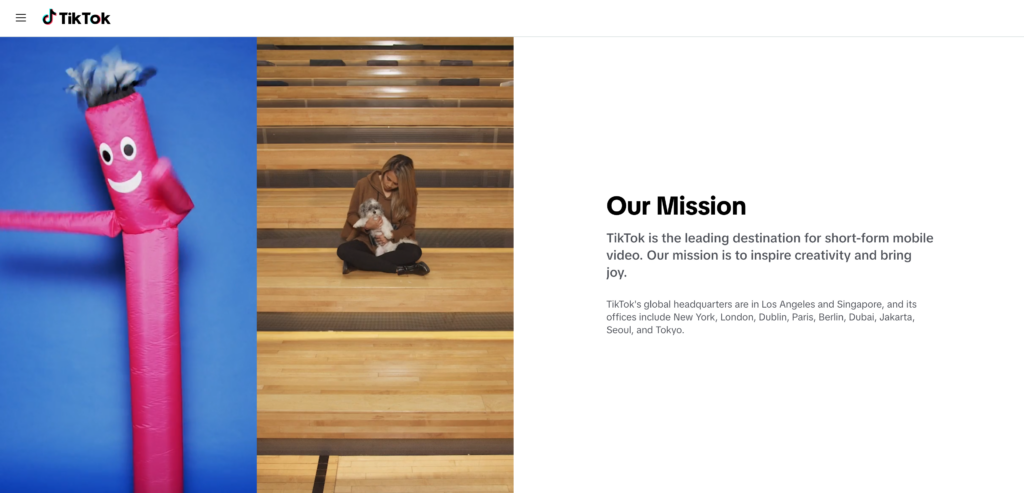
A platform built on short-form videos, TikTok became a sensation, particularly among younger audiences. Its easy-to-use editing tools allow for creative expression in bite-sized formats.
Dancing, lip-syncing, comedy bits, and DIY tips are prevalent, but educational and informational content is also gaining traction.
Monetization: The TikTok Creator Fund directly pays creators for their content. Additionally, brand partnerships, sponsored content, and affiliate marketing provide ample earning opportunities.
Vimeo
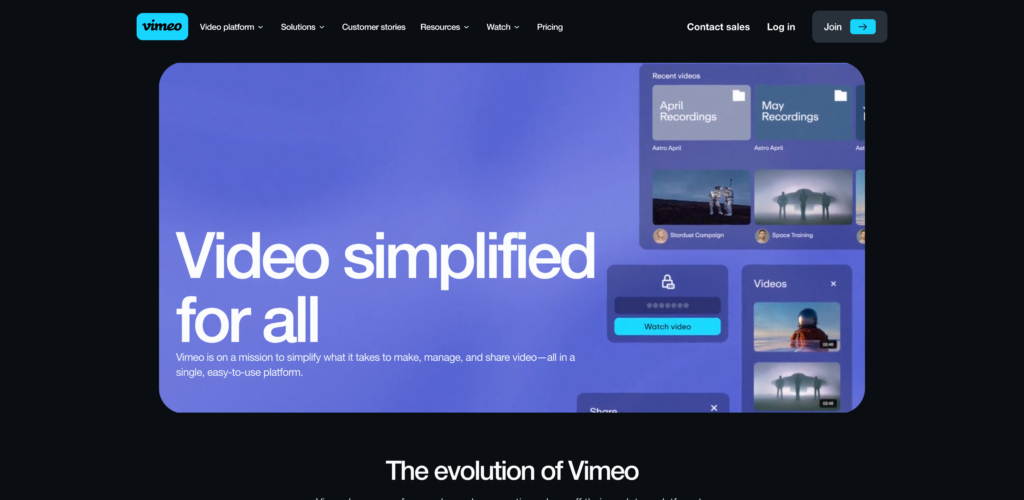
Seen as a more professional and artistic alternative to YouTube, Vimeo is favored by filmmakers, artists, and businesses for its higher-quality playback and lack of disruptive ads.
Documentaries, short films, artistic videos, and professional portfolios are common on Vimeo. It is commonly used by filmmakers and video professionals to host “reels”, or portfolio clip videos, because the quality is higher than YouTube.
Monetization: Vimeo On Demand allows creators to sell or rent their content directly to viewers. Moreover, the absence of ads can make it more appealing to sponsors and brands for sponsored content or brand collaborations.

As an integral part of Facebook’s family, Instagram started as a photo-sharing platform but quickly integrated video content, including Stories and Reels.
The content ranges from short video Stories that last 24 hours to longer videos in feeds, and now includes Reels, which directly competes with TikTok.
Monetization: With Instagram Shopping, creators can tag products in their videos. Sponsored posts, affiliate marketing, and brand ambassadorships are common ways content creators monetize their presence.
Aligning your content with the platform’s primary audience and format can maximize viewership and financial returns.
Common Types of Online Video Content
If you’re considering starting a video campaign or diversifying your current one, it’s good to know what’s already working. Here’s a rundown of some of the most popular professional video content types you’ll find across the web:
- Vlogs: Vlogging, or video blogging, is a personal way for creators to share their daily lives, experiences, and thoughts with their audience. It’s an intimate form of content that builds a strong connection between the creator and the viewer.
- Tutorials and How-Tos: From makeup tutorials to DIY crafts and tech guides, how-to videos provide step-by-step instructions on completing a task or learning a new skill.
- Product Reviews and Unboxings: Many turn to YouTube before making a purchase. Creators in this category open products, give their first impressions, and provide detailed reviews to guide viewers’ buying decisions.
- Gaming: One of the most substantial sectors on YouTube, gaming channels can range from Let’s Play videos, where the creator plays through and comments on games, to reviews, news, and e-sports coverage.
- Educational Content: Channels like Vsauce, CrashCourse, and Khan Academy offer deep dives into topics ranging from science and math to the humanities, combining entertainment and learning.
- Travel and Adventure: Travel vloggers take their viewers on trips, showcasing different cultures, foods, and experiences from around the world.
- Comedy and Sketches: From stand-up routines to funny sketches and any random stuff people will put up, comedy is a staple of video content.
- Q&A and Interviews: Creators engage with their audience or bring in guests to answer questions, providing insights on various topics or fostering community interaction.
- Fitness and Wellness: From yoga classes and HIIT workouts to guided meditations and nutrition advice, there’s a vast array of content for those looking to lead healthier lives.
- Music and Cover Songs: Emerging artists often use YouTube to showcase their talents, upload original songs, or present their own spin on popular tracks.
- Short Films and Web Series: Aspiring filmmakers and storytellers use YouTube to present their creations, be it drama, comedy, horror, or any genre they’d like.
Considering successful content formats can help you determine what resonates most with you and where you might find your niche. The platform offers immense versatility, so everyone can share their passion and creativity.
Video Script Template
Creating video content can be daunting, especially if you’re starting out. To simplify the process and ensure consistency in your videos, using a template can be immensely helpful.
Here’s a basic content template for a YouTube video to guide your creation process:
1. Introduction
- Hook: Begin with a compelling statement or question to grab the viewer’s attention.
- Channel Introduction: If it’s a viewer’s first time on your channel, briefly introduce yourself or your brand.
- Video Overview: Summarize what the video will cover in a sentence or two.
2. Branding
- Logo/Brand Animation: A short animation or display of your logo can instill brand recognition among viewers.
3. Main Content
- Segment Introduction: Introduce the topic for this segment.
- Detailed Explanation: Dive into the specifics. Depending on the content type, this could be a tutorial step, a section of a vlog, or part of a review.
- Visuals/Graphics: Utilize relevant visuals, infographics, or animations to supplement and enhance your explanation.
- Practical Application: If applicable, demonstrate how your provided information can be applied in real-life situations.
- Segment Summary: Recap the main points discussed in the segment.
4. Engagement Elements
- Call-to-Action (CTA): Encourage viewers to like, share, subscribe, or take another desired action.
- Engagement Question: Pose a question about the video content to prompt viewers to leave comments and increase engagement.
5. Additional Resources/Links
- Annotations: Use YouTube’s annotations or cards to link to other relevant videos or playlists.
- External Links: If referencing external content, resources, or products, mention and link them in the video description.
6. Outro
- Summary/Recap: Briefly revisit the main points or highlights of the video.
- CTA (again): Another chance to remind viewers to engage with your content or channel.
- Teaser: Give a sneak peek or mention what’s coming in the next video to encourage viewers to return.
7. End Screen
- Video Recommendations: Feature other videos from your channel that the viewer might be interested in.
- Subscription Prompt: A graphic or animation prompting viewers to subscribe.
- Social Media Links: Icons or links to your other social media platforms.
8. Credits (if necessary)
- Acknowledgements: Credit collaborators, content sources, or sponsors.
- Background Music Credits: Ensure you have the right to use the music and provide the necessary credits.
This template acts as a general guideline and can be customized to fit various content types and individual preferences. Consistency is essential for brand recognition and viewer retention, so having a standardized approach to your video creation process can significantly benefit your channel’s growth.
Bottom Line
Video content has the power to engage audiences like no other medium. With platforms like YouTube offering substantial financial opportunities, there’s never been a better time to explore video content creation. Understand your audience, invest in quality, and continually hone your skills to make the most of this powerful tool. Authenticity often beats perfection. So, start creating, engaging with your audience, and discovering potential opportunities.