No products in the cart.

SEO improves how easily potential patients can find a practice, understand its services, and take the next step toward an appointment. The work usually involves the practice’s Google Business Profile, website structure, service pages, local information, and patient-facing content.
The best place to start depends on the practice’s goals. A general dentist may need stronger local visibility, while a specialist may need better treatment pages or a clearer consultation path. Begin with the services and locations that matter to the business, then fix the parts of the online experience that make those services difficult to find.
What Should Dentists Improve First?

Before changing the website or publishing new content, identify what the practice wants more patients to find. That might be general dentistry, emergency appointments, dental implants, cosmetic consultations, or a particular location.
Review the practice’s most important services, the geographic area it actually serves, and the actions a prospective patient needs to take. Then compare those priorities with the current website and Google Business Profile.
A useful first review asks:
- Are the practice name, address, phone number, and hours accurate?
- Can a patient find the main services without searching through several pages?
- Do those services have enough information to answer basic questions?
- Is the phone number or appointment path easy to find on a mobile device?
- Can the practice confirm that forms, calls, and booking links work?
This review often reveals whether the practice needs a narrow correction or a broader SEO project. For example, a practice with accurate listings and strong service pages may only need to fix a broken form. A website with outdated information, unclear navigation, and no dedicated pages for important treatments needs a more coordinated plan.
Improve the Practice’s Google Business Profile Listing
A Google Business Profile helps people find a dental practice in local search and on maps. It should give searchers an accurate first impression before they visit the website or call.
Start by reviewing the information patients are most likely to use:
- Practice name
- Address
- Phone number
- Opening hours
- Website address
- Primary business category
- Services
- Office photos
These details should match the practice’s website and other key business listings. An old phone number, incorrect hours, or a broken appointment link can cause problems even when the profile appears in search results.
The profile and website have different jobs. The profile supports local discovery and provides basic information. The website should explain treatments, providers, patient expectations, insurance or payment information, and the steps involved in contacting the practice.
Reviews also influence how prospective patients evaluate a practice. The practice should use a consistent review process that follows the platform’s rules and its own professional obligations. Reviews can build trust, but they don’t replace accurate business information or a website that answers patient questions.
Build Service Pages Around Patient Questions

Service pages should explain the treatments the practice actually provides and wants to prioritize. A single page listing every service may be difficult for patients to use and may not give search engines enough context about individual treatments.
Start with the services that matter most to the practice. A general dentist may prioritize exams, cleanings, restorative care, and emergency appointments. A specialist may focus on dental implants, orthodontics, oral surgery, or cosmetic consultations.
Each important service page should help a prospective patient understand:
- What the service involves
- Who may seek it
- What questions to ask
- What the consultation or appointment may cover
- What the practice actually provides
- How to request the next step
For example, a dental implant page might explain the purpose of an initial consultation, the questions the dentist will review, and how a patient can contact the office. An emergency dentistry page should clearly explain what kinds of problems the practice handles and what a patient should do when they need immediate guidance.
The page should reflect the practice’s real scope. A short menu label or provider title doesn’t establish every service the practice claims to offer. The dentist or practice team should review service copy for accuracy, including treatment descriptions, qualifications, appointment availability, and patient expectations.
More pages aren’t always the answer. Pages that repeat nearly identical information, target locations the practice does not serve, or describe treatments it does not provide can make the website harder to manage. Each page should have a reason to exist and a clear relationship to the practice’s services.
Create Patient Education With a Clear Purpose
Patient education can support SEO when it answers a real question connected to the practice’s services. It can also help a prospective patient decide whether to call, schedule a consultation, or seek urgent guidance.
Start with questions the practice hears from patients. A dentist might create a page about what happens during a first exam, how to prepare for a tooth extraction, what to do after a dental injury, or what questions to ask during a dental implant consultation.
The topic should connect to the practice’s actual services. A page about a treatment the practice does not provide may attract visitors without helping the business. A general oral health article may be reasonable for patient education, but it should not take priority over missing or weak pages for the services the practice wants to grow.
The practice should also review clinical content before publication. Patient education can explain general information and next steps, but it should not pretend to evaluate an individual person or promise that one treatment will produce a particular result.
Make the Website Easier for Local Patients to Use
Local search brings visitors to the website, but the website still has to help them decide what to do. A prospective patient should be able to identify the practice’s location, services, and contact options without searching through several unrelated pages.
Review the website from a patient’s perspective. On a phone, can someone quickly find the phone number? Can they tell which services the practice provides? Is the appointment form easy to use? Does the contact page explain what happens after someone submits a request?
Navigation should reflect the practice’s priorities. Don’t bury important services under vague labels, and link related pages where it helps the visitor continue. A page about emergency dentistry might link to the contact page, office hours, and relevant patient instructions.
These changes support both search visibility and patient decisions. A practice may receive visits from local searches, but those visits are less valuable when the website makes the next step difficult to find.
Focus Local SEO on the Practice’s Real Service Area
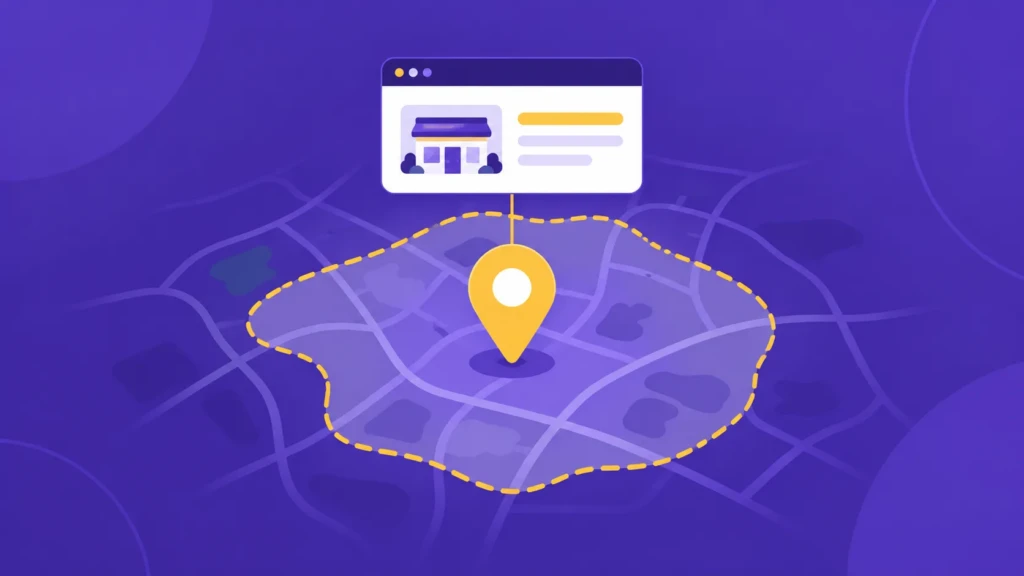
Most dental practices serve a defined geographic area, so local SEO usually matters more than trying to rank broadly across an entire region. Patients may search by city, neighborhood, treatment, or urgency, such as “family dentist near me” or “emergency dentist in [city]”.
Start with the places the practice genuinely serves. The website, Google Business Profile, and other important listings should use consistent information about the practice name, address, phone number, hours, website, and appointment process.
Location pages can be useful when the practice has a real connection to more than one location or serves distinct communities. They are less useful when they simply repeat the same page with a different city name. A page should explain something genuine about the location, service availability, or patient experience.
The same principle applies to local wording throughout the website. Repeating a city name does not make a page locally relevant by itself. The page still needs to explain the service, represent the practice accurately, and help a nearby patient decide whether to contact the office.
Reviews shape how people evaluate a local practice, but they are only one part of the picture. The practice should use an appropriate process for requesting and responding to reviews while keeping its website and business listings accurate.
A Google Business Profile can help patients discover the practice, but it does not replace the website. The profile provides basic local information, while the website should provide the fuller explanation of services, providers, patient expectations, and appointment options.
Fix Technical Problems That Block Search or Patients
Technical SEO matters when something on the website prevents search engines from accessing important pages or prevents patients from using them.
Common examples include:
- Important pages that are blocked from indexing
- Broken links or incorrect redirects
- Duplicate or outdated URLs
- Missing or confusing page titles
- Poor mobile usability
- Slow or unstable pages
- Incorrect sitemap or robots settings
- Contact forms that fail to send notifications
The right priority depends on the problem. An indexing issue affecting a major service page deserves attention before a minor metadata improvement. A broken appointment form deserves attention because it can affect a patient who has already decided to contact the practice.
An audit can identify these problems, but it doesn’t implement them. The practice still needs to make, test, and review the changes. You can verify a technical correction before you know its effect on rankings, traffic, or patient inquiries.
Measure Whether SEO Is Reaching the Right Patients
SEO reporting should help the practice decide what to keep, change, or investigate. Rankings and traffic provide context, but the more important question is whether people looking for the practice’s services find the right pages and take a useful next step.
| Question | Evidence to review |
|---|---|
| Are people finding the practice? | Local impressions, search impressions, and clicks |
| Are they reaching important pages? | Visits to service, location, and contact pages |
| Are they taking action? | Calls, forms, booking clicks, and appointment requests |
| Is tracking reliable? | Test submissions, call checks, and analytics review |
| Is visibility relevant? | Search queries connected to the practice’s services and locations |
A rise in impressions does not necessarily mean the practice is attracting qualified patients. A higher ranking for an unimportant service may have little business value. The practice should compare search data with its services, locations, and the actions it wants patients to take.
Tracking also needs to be tested. A form may appear to submit successfully, but the notification may fail to reach the practice. Analytics may record a visit without showing whether the visitor called or requested an appointment. Identify those gaps before the practice relies on the report.
When a Broader SEO Project Is Justified
A broader SEO project may be appropriate when several problems are connected. The practice may have confusing navigation, thin service pages, inconsistent local information, poor mobile usability, outdated provider information, and no clear path from a search visit to an appointment request.
A larger project also makes sense when a practice opens another location, adds a major service line, enters a competitive market, or replaces a website that no longer reflects the business.
The project should begin with an assessment of the existing website, local listings, important services, and patient contact path. That makes it possible to separate necessary work from optional improvements. A practice may need better service pages and working forms before it needs a large publishing schedule.
Ongoing support is a separate decision. It may be useful when the practice expects regular content updates, frequent service changes, recurring technical work, or continued measurement. A defined one-time project may be enough when the website is stable, and someone at the practice can maintain its information.
What Dental SEO Cannot Guarantee
SEO can improve a practice’s ability to appear in search results and explain its services, but it cannot control every factor that affects visibility or patient demand. Search results vary by location, competition, website history, search behavior, and changes made by search platforms.
No responsible SEO plan can guarantee a particular ranking, a fixed number of calls, or a specific number of new patients. Completing a technical checklist also does not prove that the practice will see immediate business results.
The practice should judge the work by what it can verify and what matters to the business. A completed correction may show that a page is accessible, a form works, or the business information is consistent. Search visibility and patient actions may require additional time and may be influenced by factors outside the project’s control.
Frequently Asked Questions
Start by identifying the services and locations that matter most to the practice. Then compare the Google Business Profile, website, service pages, contact details, and appointment path for accuracy and usability.
No. A blog can answer patient questions and support related searches, but it may not be the best first investment. A practice with weak service pages, inaccurate listings, or a broken appointment path should address those issues first.
There is no standard number. A practice should create pages for important services that have distinct patient questions, appointment paths, or business priorities. Pages should reflect services the practice actually provides and should not exist only to target additional keywords.
There is no dependable timeline. Technical changes can often be checked soon after implementation, while changes in search visibility and patient inquiries depend on competition, site history, content quality, and other conditions.
Outside help may be worthwhile when the practice has a technical problem, is redesigning its website, is changing locations, or needs help deciding what to prioritize. The agreement should define the work, what the practice must provide, how implementation will be handled, and what can be verified afterward.
Summary
Dental SEO works best when it aligns with the practice’s business priorities. Start with accurate local information, key service pages, an easy-to-use website, and technical fixes that remove real barriers. Then measure whether the work reaches relevant patients and supports useful actions.
A focused correction may be enough when the problem is narrow and easy to verify. A broader project is justified when the website structure, content, local information, and appointment path all need coordinated work. Begin by comparing the practice’s Google Business Profile, homepage, and most important service page for accuracy, consistency, and a clear next step.
Work With TCB Studio
TCB Studio offers technical SEO services for practices that need help evaluating or correcting website and search visibility problems. Hourly work may fit a defined issue, while monthly support can support practices that need recurring technical or content assistance.