No products in the cart.
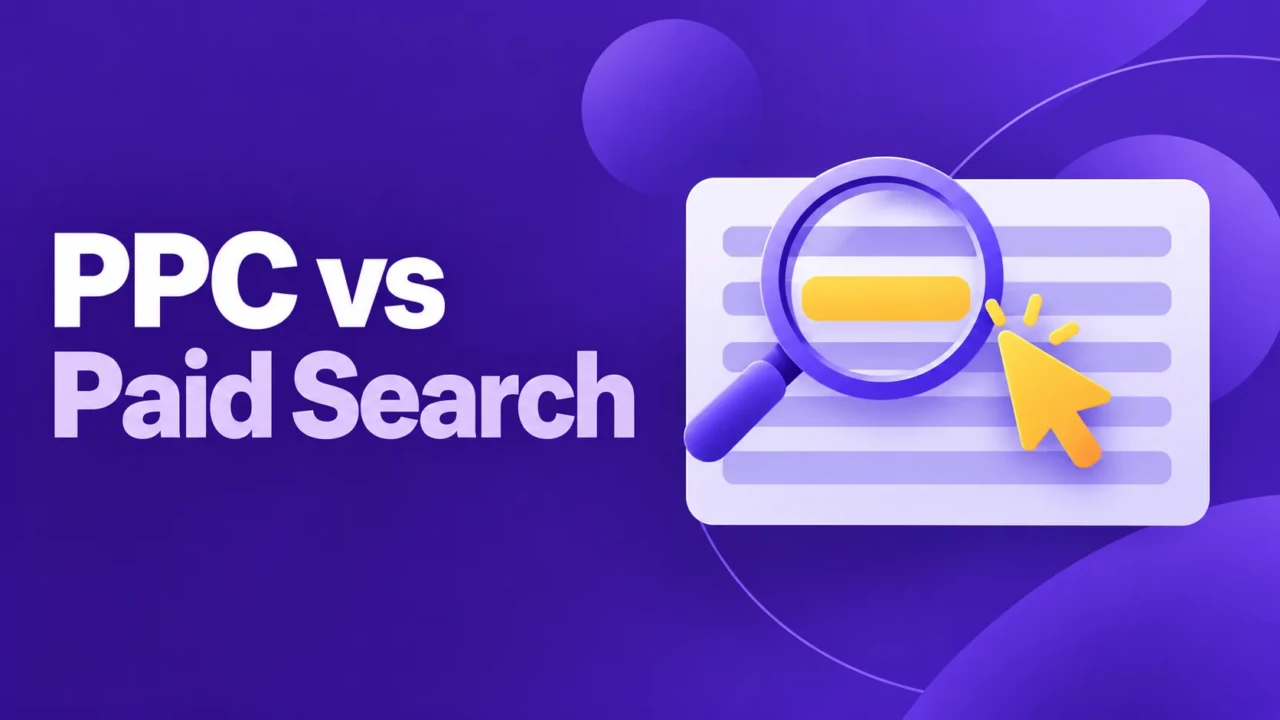
PPC and paid search are related, but they aren’t identical. PPC, or pay-per-click advertising, is a pricing model where you pay when someone clicks an ad. Paid search is a type of online advertising that places ads on search engine results pages. Most paid search campaigns use PPC, but PPC can also describe ads on other platforms.
The distinction matters when you’re deciding how to spend an advertising budget. A local service provider may need search ads to reach people actively looking for help, while a consultant or creator may use paid social ads to introduce an offer to people who aren’t searching for it yet.
PPC and Paid Search: The Basic Distinction
PPC, or pay-per-click advertising, describes how advertisers are charged. Paid search describes advertising connected to search engine results. Paid search commonly uses PPC pricing, but PPC also includes social, display, shopping, and other advertising channels.
| Term | What it describes | Common examples | Audience intent |
|---|---|---|---|
| PPC | How the advertiser is charged | Search, social, display, shopping, and marketplace ads | Varies by channel |
| Paid search | Where the ad appears and how people are reached | Search results, shopping results, and local search placements | Often connected to an active search |
A person who clicks a search ad may already be comparing providers. A person who clicks a social ad may be discovering the business for the first time. Both clicks can be billed through PPC, but they require different expectations, messages, landing pages, and follow-up.
When reviewing an advertising proposal, ask which channel it will use, what audience it reaches, how the platform charges, and what happens after the click. Those details define the work more accurately than calling the campaign “PPC”.
When Paid Search is a Good Fit
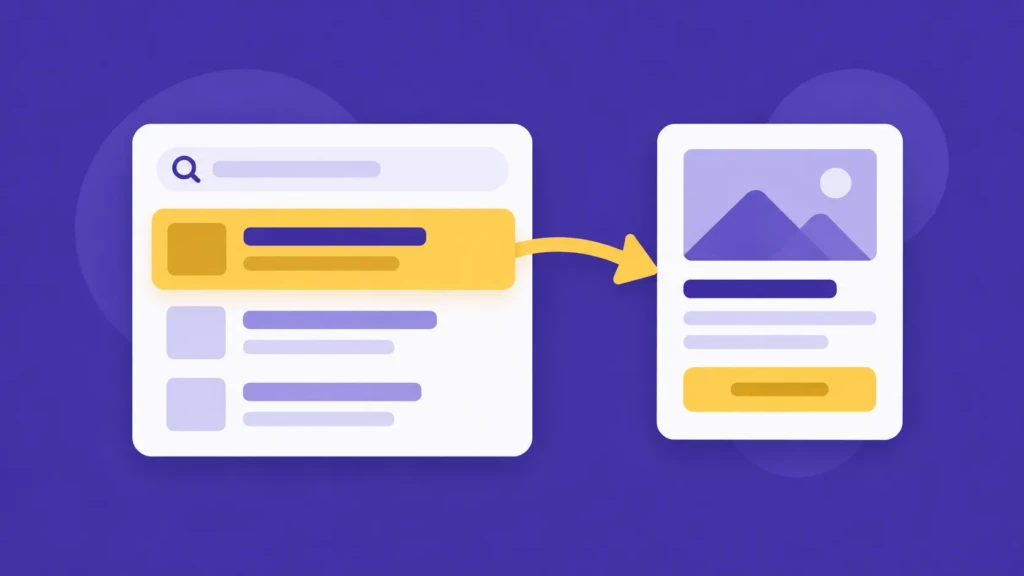
Paid search is usually worth testing when people already search for the service, product, or problem and the business can connect those searches to a relevant page. The search should also indicate that the person may take action.
Existing search demand
A local accountant may have a reasonable starting point with searches related to tax preparation or small business accounting. A freelance web designer may need to narrow the campaign by location, platform, service type, and project fit instead of advertising broadly for “web design”.
Commercial intent
Searches reveal different levels of readiness. Someone searching for “emergency plumber near me” may be ready to contact a provider, while someone searching for “how to fix a dripping faucet” may only want instructions. Those searches shouldn’t automatically receive the same ad or landing page.
A relevant landing page
The page after the click should match the search and the promise made in the ad. If the ad promotes local tax preparation but sends visitors to a general homepage, the campaign creates extra work for the visitor and makes performance harder to evaluate.
Paid search becomes harder to judge when search volume is low, people use unfamiliar language, or the service requires a long period of education and trust. In those situations, another channel may be better for introducing the problem or reaching the audience earlier.
When Another PPC Channel May Be More Appropriate

Other PPC channels can make sense when you can identify the audience before they start searching. Social and display campaigns may help introduce an offer, promote a guide or event, reach a defined professional audience, or reconnect with people who have already visited the website.
For example, a creator selling a design template might reach people interested in a particular software tool or workflow. A consultant might promote a guide to a defined professional audience before asking for a sales conversation.
The tradeoff is that these visitors may have less immediate intent. The campaign may need a stronger introduction, more education, an email follow-up process, or several interactions before someone becomes a qualified lead. A lower cost per click doesn’t automatically make the channel more valuable.
How to Choose the Right Approach
Choose the channel based on customer behavior, not the label used in an advertising proposal. Start with how people find the business, how ready they are to act, and what needs to happen after they click.
- Identify how customers find the business. Review recent inquiries, referral sources, search terms, and customer conversations. Look for evidence of how people describe the problem before they contact you.
- Separate immediate intent from general interest. A service query such as “WordPress maintenance near me” suggests a different level of readiness from a general query such as “how to maintain a WordPress site”.
- Match the channel to the offer. Search ads may fit a defined service, while social or display advertising may fit an educational offer, visual product, event, or new service that people don’t know to search for.
- Check the page after the click. The landing page should explain the offer, match the ad, serve the right audience, and provide one reasonable next step.
- Define what counts as a meaningful result. Decide whether the campaign is meant to generate qualified inquiries, calls, purchases, signups, or another measurable action.
A focused paid search test may be enough when search demand and the offer are both clear. A broader PPC project makes more sense when you need to reach the audience before they search or when several channels and follow-up steps need to work together.
What Paid Advertising Can’t Solve

Paid advertising can send visitors to a website, but it doesn’t guarantee qualified traffic, inquiries, or sales. Results depend on the relationship between the audience, search or targeting settings, ad, landing page, budget, tracking, and offer.
Three problems appear often in small business campaigns. Broad targeting can attract people outside the service area, budget, or project scope. Poor tracking can make it impossible to tell whether clicks lead to meaningful inquiries. Low search volume can also limit how quickly a campaign provides enough information to guide a decision.
Paid ads also depend on continued budget and platform conditions. They can send visitors to a website, but they don’t replace a relevant offer, useful content, a functional contact process, or follow-up after someone submits an inquiry.
An audit can identify problems with targeting, tracking, account structure, or landing pages. It doesn’t implement the recommendations or prove that future business results will improve. Similarly, you can verify a technical correction before you know its effect on leads or sales.
Outside help is useful when the account is difficult to evaluate, tracking is unreliable, targeting is wasting budget, or the business can’t tell which part of the campaign needs attention. A one-time review may be enough for a narrow problem. Ongoing support is only justified when the business needs regular testing, reporting, and adjustments.
Frequently Asked Questions
These questions address decisions that usually come up when a business chooses a paid advertising channel or reviews an existing campaign.
No. Google Ads can include paid search, shopping, display, video, and other campaign types. Many Google Ads campaigns use PPC pricing, but PPC also applies to advertising on other platforms.
No. Many paid search campaigns use cost-per-click bidding, but platforms may offer other bidding or charging models depending on the campaign type. Review the campaign settings and billing model rather than assuming the label explains everything.
Paid search can be a reasonable starting point when customers actively search for the service, and the business can respond with a relevant page and a clear next step. A smaller, focused campaign is usually easier to evaluate than a broad campaign covering unrelated terms.
Track the actions that matter to the business, such as qualified contact submissions, phone calls, purchases, booked consultations, or email signups. Also review search terms, geographic fit, lead quality, and the relationship between ad traffic and completed actions.
Outside help helps when the account has tracking problems, complex targeting, wasted spend, unclear ownership, or landing page issues the business can’t confidently evaluate. A focused audit may be enough for a defined problem, while ongoing support makes more sense when regular testing and optimization are required.
Summary
PPC describes how you’re charged for ads, while paid search refers to ads connected to search engine results. Paid search often uses PPC pricing, but PPC also includes social, display, shopping, and other channels.
The right starting point depends on how customers find the business and how ready they are to act. Review two recent customer inquiries and identify whether each person searched for a solution before contacting the business.
Work With TCB Studio
TCB Studio helps small businesses review the website and tracking issues that can affect paid search campaigns. PPC services may help when visitors reach a page that is difficult to use, poorly matched to the ad, slow to load, or missing a reliable conversion path.
For a defined website or tracking issue, hourly work can provide focused help. Businesses that need recurring review and implementation support can explore monthly support.