No products in the cart.
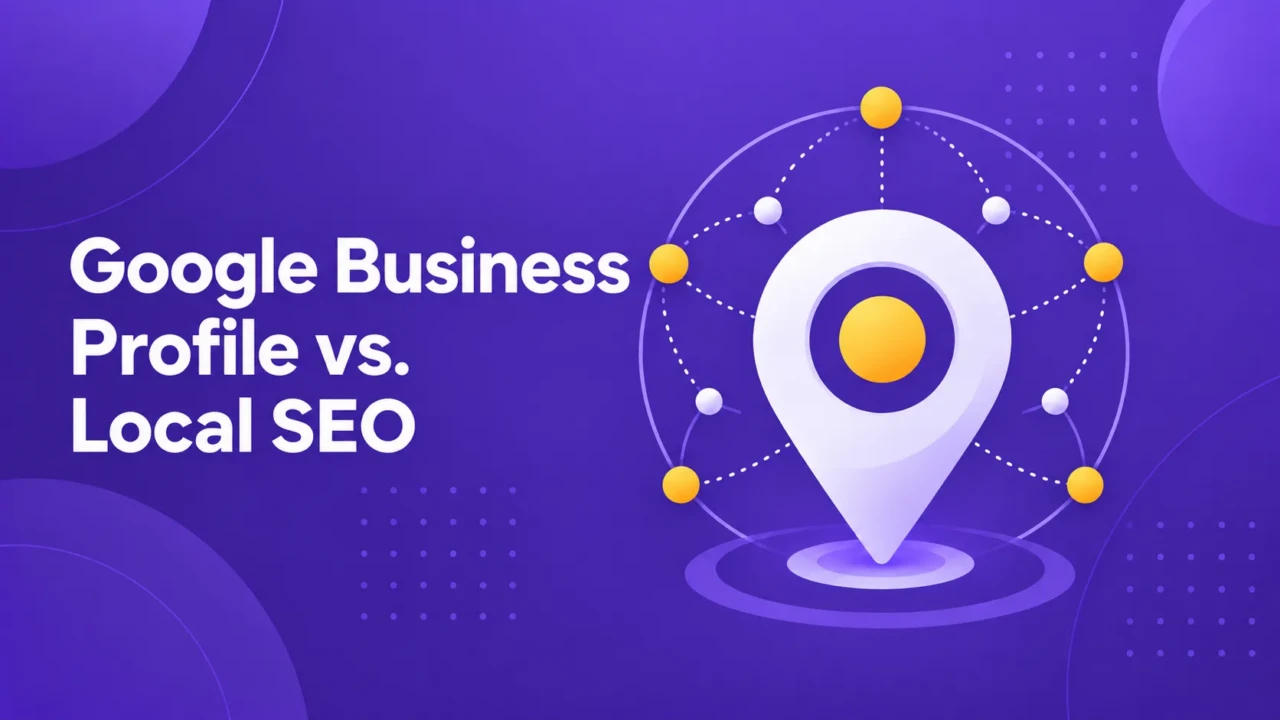
A Google Business Profile is the business listing customers see in Google Search and Google Maps. Local SEO is the broader work of helping a business appear in relevant local searches across its profile, website, reviews, directories, and other online references. The profile is one part of local SEO, so the practical question is usually where the business needs attention first.
What Is a Google Business Profile?
A Google Business Profile is a listing that represents an eligible business on Google Search and Google Maps. It can show the business name, category, hours, phone number, website, address or service area, photos, services, and customer reviews.
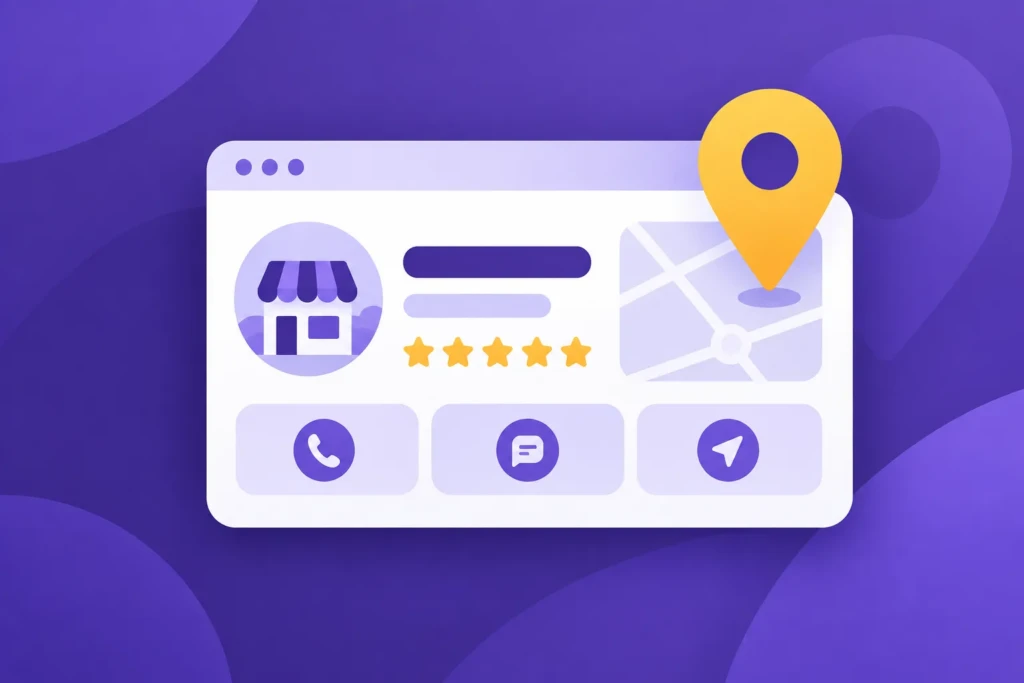
After claiming and verifying the profile, the owner or manager can update many of these details and respond to customer activity. A storefront business may use its street address, while a service-area business may show the areas it serves without displaying an address where customers do not visit.
The profile helps a potential customer make a quick decision. Someone searching for a dog groomer nearby may compare several listings before visiting a website or calling. The business category, hours, service area, photos, reviews, and contact options can all affect whether the customer continues investigating.
A Business Profile does not explain everything about the business. It gives customers a concise way to find the business, check basic details, and decide whether it is worth learning more.
What Is Local SEO?
Local SEO is the broader work of helping a business appear when people search for its services, products, or location. It includes the Google Business Profile, but it also involves the website and other online references to the business.

The website is important because a profile has limited space. A profile might say a bookkeeping firm serves small businesses in a particular city, while the website can explain whether the firm works with freelancers, handles monthly bookkeeping, supports year-end preparation, or uses a specific process for new clients.
Local SEO may involve improving service pages, clarifying service areas, correcting inconsistent business information, managing reviews, earning relevant local links, and improving the website’s structure. The work depends on the business. A one-location shop with accurate information may need only a profile update, while a service provider with several important offerings may need better pages for those services.
The distinction is straightforward: a Google Business Profile is one listing managed through Google. Local SEO is the wider work that helps a business become easier to find and evaluate in local search.
Google Business Profile vs. Local SEO
The difference is easiest to see when you compare what each one is responsible for. A Google Business Profile is a specific listing inside Google. Local SEO includes that listing, but also the website and other work that supports local visibility.
| Question | Google Business Profile | Local SEO |
|---|---|---|
| What is it? | A business listing managed through Google | The wider work of improving local search visibility |
| Where does it appear? | Mainly Google Search and Google Maps | Search results, Maps, the website, directories, and other relevant references |
| What does it include? | Business details, hours, services, photos, reviews, and contact options | Profile work, website content, reviews, local references, and technical improvements |
| Best starting point | An inaccurate, incomplete, unclaimed, or poorly managed profile | An accurate profile paired with weak service pages, inconsistent information, or limited visibility |
| What can it not promise? | A top position for every search | A fixed ranking or guaranteed number of leads |
Updating a profile does not optimize every service page on the website. Improving the website does not correct an unclaimed profile, inaccurate hours, or an incomplete service area. The right scope depends on where the business is losing visibility or trust.
Where Should You Start?

Customers experience a Google Business Profile and a website as parts of the same business. If the hours, service area, phone number, or advertised service do not match, the customer has to resolve the inconsistency before making contact. Review both sources together before deciding whether the problem is a profile task, a website task, or a broader local SEO project.
Start with the Business Profile when the basic information is wrong
Review the business name, primary category, phone number, website link, hours, address or service area, services, photos, and reviews. If the profile is unclaimed or unverified, claim and verify it through Google’s instructions for adding or claiming a Business Profile. Do this first if customers may be seeing misleading information or if the business cannot control access to its listing.
Focus on the website when the profile is accurate but important services are difficult to find
A complete profile does not give the website enough information to appear for every service a business offers. A landscaping company, for example, may need separate pages for lawn maintenance, landscape design, irrigation repair, and seasonal cleanup if those services attract different customers and require different explanations.
Each service page should explain what the business does, who the service is for, where it is available, and what the customer should do next. Repeating the same paragraph while changing the city name does not create meaningful local content.
Expand the local SEO work when the profile and website are in good shape, but visibility remains limited
The work may include improving underperforming pages, correcting inconsistent directory information, managing reviews, earning relevant local links, clarifying the site structure, or adding structured data that helps search engines interpret accurate business details. Google’s LocalBusiness structured data documentation explains what this markup can describe.
The business does not need every available SEO task. Start with the service, location, or customer action that matters most, then build around that priority.
What Local SEO Can and Cannot Fix

Local SEO can improve how a business appears in search and how customers evaluate it before they make contact. It cannot compensate for inaccurate business information, an unclear offer, or a poor customer experience.
Don’t treat a Google Business Profile as a one-time setup. Hours, services, phone numbers, service areas, and staff can change, and Google may also receive suggested edits or information from other sources. Review the profile whenever the business changes, and check it periodically to make sure customers see current information.
A profile also cannot replace the website. It can answer basic questions and provide contact options, but it has limited space for explaining the service, process, qualifications, pricing factors, or service boundaries. If the profile sends people to a homepage that does not explain the advertised service, the next step in the customer’s decision is left unsupported.
Local SEO cannot make a vague offer easier to understand. A business that says it serves everyone or offers everything may need search improvements, but it may also need to define its services and audience more clearly before creating more pages or adding location terms.
The same applies to location pages. Creating nearly identical pages for every nearby city may add URLs without giving customers more information. A location page makes sense when the business genuinely serves that area and can explain something meaningful about the service there.
Local SEO also cannot guarantee a ranking or a fixed number of leads. Google says local results are influenced by factors including relevance, distance, and prominence, and businesses cannot request or pay for a better local ranking. A responsible project should define the work being completed and the customer problem it is intended to address, while treating search visibility and inquiries as outcomes to measure rather than promises to make.
Do You Need to Hire Someone?

Many small businesses can manage a Google Business Profile themselves. A business with one location, straightforward services, accurate information, and enough time to review its listing may only need to claim the profile, update its details, add photos, and respond to reviews.
Outside help becomes more useful when the profile has ownership or verification problems, the business serves multiple locations, or the website needs substantial restructuring. It may also be worthwhile when the business has made reasonable updates but cannot determine why local visibility or inquiries have stalled.
Before hiring someone, define the work instead of relying on a title such as “SEO expert” or “local marketing specialist”. Ask whether the project includes profile corrections, website changes, content, directory cleanup, technical fixes, reporting, or recommendations only.
An audit is not the same as implementation. An audit may identify inaccurate business information, weak pages, or technical problems, but someone still needs to apply those recommendations. The agreement should state who is responsible for making changes and what access they will need.
Be cautious of anyone promising a guaranteed position in Google’s local results or a fixed number of leads. A responsible project defines the work, the business problem being addressed, and how progress will be reviewed without treating a search outcome as guaranteed.
Frequently Asked Questions
These questions cover common decisions about scope, responsibilities, and timing after a business has identified a local search problem.
Most local businesses benefit from both, but they may not need a large SEO project. The profile manages the business’s presence in Google Search and Maps, while local SEO supports the profile with website content, accurate references, reviews, and other improvements. Start with the part that is incomplete, inaccurate, or limiting customer inquiries.
The business owner or an authorized representative should retain primary control of the profile. A provider may need manager access to complete the work, but the business should understand who owns the account and how access will be transferred if the relationship ends.
It can be either. A business with accurate information and a small service area may need a focused correction or website improvement, while a business with multiple locations, changing services, or active competition may benefit from continued review. The scope should follow the business’s needs rather than assuming ongoing work is necessary.
Choose measures connected to the business goal. Depending on the project, that may include profile actions, calls, booking requests, quote requests, relevant search visibility, or visits to important service pages. You can record a ranking change or technical correction, but neither automatically proves the business is getting better inquiries.
The timeline depends on the starting condition, competition, location, website, and work involved. A factual profile correction may be visible relatively quickly, while broader changes may take longer to evaluate. A technical update can be verified when it is completed, but its effect on search visibility may not be known immediately.
Summary

A Google Business Profile gives a business a managed presence in Google Search and Maps. Local SEO includes the profile, but also the website and other work that helps customers find, understand, and evaluate the business.
Start by reviewing the profile and website side by side. Check whether the business name, hours, phone number, service area, services, and website link agree. Then look at whether the website answers the questions someone would have after finding the business in local search.
If the profile is incomplete or inaccurate, fix that first. If the profile is in good shape but the website does not support the services or locations that matter most, define a focused local SEO project instead of expanding into every possible optimization task.
The right first step usually removes the biggest obstacle between a potential customer and a useful next action.
Work With TCB Studio
TCB Studio can help identify whether a local search problem belongs to the Google Business Profile, the website, or both. Depending on the situation, the work may involve reviewing the current profile, improving service pages, correcting website information, or defining a focused local SEO project. Explore our Local SEO Services to get started.