No products in the cart.
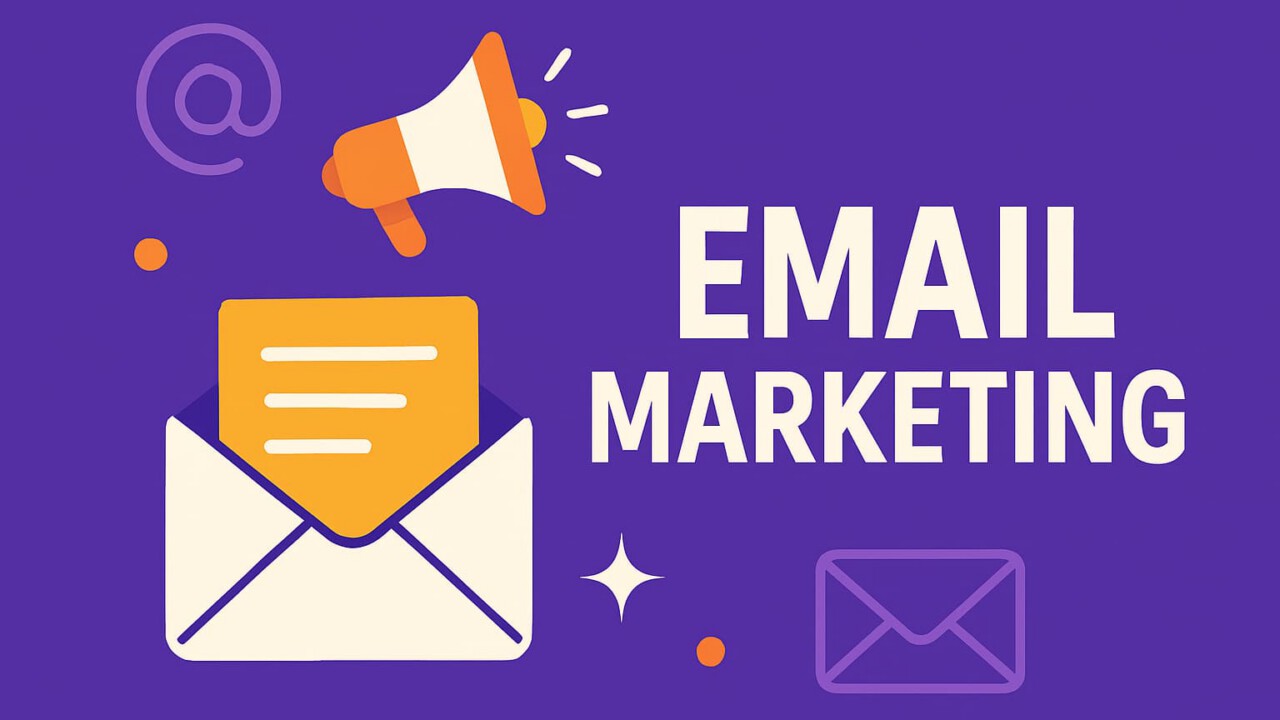
Email marketing remains one of the most reliable and cost-effective ways to reach an audience online. Email gives you a direct line of communication that you control, unlike social platforms, where algorithms decide who sees your message. It’s excellent for promoting products, sharing helpful content, or simply staying top of mind. This guide walks through what email marketing is, why it matters, and how to build effective campaigns that drive meaningful results.
What is Email Marketing?
Email marketing is a digital marketing strategy that involves sending emails to a list of subscribers to promote products or services or to share useful information.
Email marketing helps you build relationships with potential customers, keep current customers informed, and maintain brand awareness. Additionally, it’s cost-effective and yields a high return on investment (ROI) when successful.
Benefits of Email Marketing
Email marketing campaigns have a few key benefits:
- Personal Touch: Emails foster a personal connection by addressing the recipient by name and providing customized content.
- Cost-effective: Compared to other marketing channels, such as PPC, email often offers a higher ROI due to its lower overheads. Most of the time, you can get started for free or upgrade to affordable plans.
- Measurable: With various tools available, businesses can track open rates, click-through rates, and conversions to gauge success.
- Direct Engagement: Reach your audience directly in their inboxes, increasing the likelihood your content will be seen.
Top Email Marketing Platforms
There are various platforms available to help manage and optimize your email campaigns. Here are my top three recommendations:
- Mailchimp: An all-in-one email marketing platform with automation features and a user-friendly interface.
- Constant Contact: A popular email marketing service with customizable templates and extensive support.
- Brevo: A comprehensive marketing platform offering email, SMS, and marketing automation capabilities.
I recommend Mailchimp for most people. It offers fully featured campaign support, a high adoption rate, and interfaces to both recipients and email marketers, making it easier to use.
Getting Started with Email Marketing
Starting can feel daunting, but breaking it down into manageable steps can set a strong foundation for your email campaigns.
1. Define Your Goals
Before diving in, determine what you want to achieve. Are you looking to increase sales, expand your subscriber base, or enhance engagement? Defining clear objectives will guide your strategy.
2. Build Your Email List
Start by collecting email addresses. Remember, getting explicit permission from individuals before adding them to your list is essential. This can be done using:
- Sign-up forms on your website: Encourage visitors to subscribe to newsletters or updates.
- Landing pages: Create dedicated pages promoting special content or offers in exchange for email addresses.
- In-person events: Collect emails during trade shows, seminars, or workshops.
3. Choose an Email Marketing Platform
Selecting a platform that suits your needs will make managing campaigns easier. Platforms like Mailchimp, Constant Contact, or SendinBlue offer user-friendly interfaces and tools for beginners.
4. Segment Your List
Not all subscribers hold the same value. Segmenting your list by criteria such as purchase history, location, or engagement levels enables the delivery of more personalized content, leading to better outcomes.
5. Craft Your Emails
Ensure your emails have:
- An engaging subject line: This encourages recipients to open it.
- Valuable content: Provide information, offers, or insights that benefit the reader.
- A clear CTA: Direct readers to the next steps, whether to make a purchase, read further, or connect on social media.
6. Monitor and Adjust
After sending your email, monitor key metrics such as open rates, click-through rates, and conversions. These insights can help refine your strategy, content, and design.
7. Continuous Learning and Adaptation
Email marketing is dynamic. Stay updated with the latest trends, tools, and techniques. Regularly seek feedback from subscribers and be prepared to adapt based on their preferences and insights.
Staying Compliant
Following regulations is crucial. Non-compliance can lead to penalties and damage your brand’s reputation.
Key Regulations to Keep in Mind
- CAN-SPAM Act: A U.S. law that sets standards for commercial emails, giving recipients the right to stop any email from a business.
- GDPR: If you have subscribers from the European Union, you must be aware of the General Data Protection Regulation (GDPR), which emphasizes user consent and data protection.
Note: We are not lawyers and are not offering legal advice. These are just laws to be aware of. Please seek professional legal guidance if needed.
Further Resources
Learn more about email marketing strategies with these sources.
- Email Marketing Made Simple: A comprehensive guide to help get started.
- New Rules of Email Marketing: An in-depth guide covering basics, strategies, and best practices.
- HubSpot’s Email Marketing Course: A free online course that teaches how to create a strategy. Offers a certification.
Explore as you prefer. If you’re curious about email marketing, start a campaign and stick to it. Learn from your results and improve as you learn.
Bottom Line
Email marketing is a powerful tool for businesses to engage and nurture their audience. Building a strong email list, crafting engaging content, utilizing the right tools, and ensuring compliance with regulations are key components of an effective strategy.
Remember to keep communication personal (respectfully), provide value, and prioritize the needs and preferences of your subscribers.