No products in the cart.
A business does not need a storefront to appear in local search. Contractors, consultants, mobile professionals, home-service companies, and other service-area businesses can build local visibility without inviting customers to a public address.
The strategy is different from storefront SEO. Your website and Google Business Profile need to make three things clear: what you do, where you work, and how customers can contact you.
That means using accurate business information, writing useful service pages, and showing real evidence of the work you do in the areas you serve.
Start With the Right Business Information

A service-area business serves customers without operating a public storefront. It may travel to homes, work at job sites, meet clients online, or provide services at rented locations that are not open to the public.
Plumbers, landscapers, photographers, consultants, mobile therapists, and cleaning companies can all fit this model. The common factor is how customers receive the service, not the industry itself.
A home office or private workspace does not automatically make an address a public business location. If customers cannot visit during the listed hours, the address should not appear as a walk-in destination.
This affects your Google Business Profile, directory listings, website, and customer expectations. An inaccurate address can send people to a private home, mailbox, virtual office, or unrelated location. It can also create problems with the platform where the listing appears.
Your local SEO should reflect how the business actually operates. Make the service area visible, explain how customers work with you, and use a contact process that does not suggest they can simply stop by.
Set Up Your Google Business Profile for a Service Area
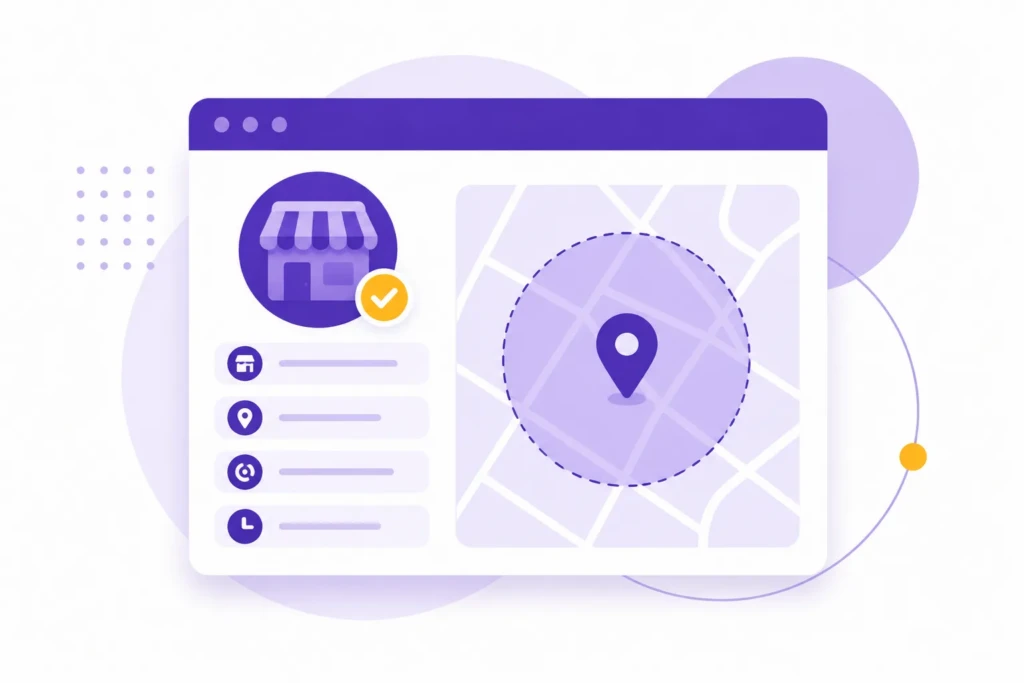
A Google Business Profile can help a service-area business appear in local search even when customers never visit a public address. The profile needs to reflect how the business actually operates.
If customers do not visit your address, do not present it as a walk-in location.
Hide the street address from public view, then identify the cities, ZIP codes, or broader areas you serve consistently.
Your profile should include:
- The real business name
- The primary service category
- A current phone number and website
- Accurate hours and contact options
- A realistic service area
- Current photos of your work, team, equipment, or process
- Honest reviews from real customers
Keep the service area realistic. Listing every town within driving distance does not make the business more relevant. Start with the locations you serve regularly and expand only when the travel, staffing, and scheduling demands make sense.
List the areas you serve regularly and can cover reliably. This helps the right customers find and contact a business that can reliably serve them.
Build the Website Around Services and Locations
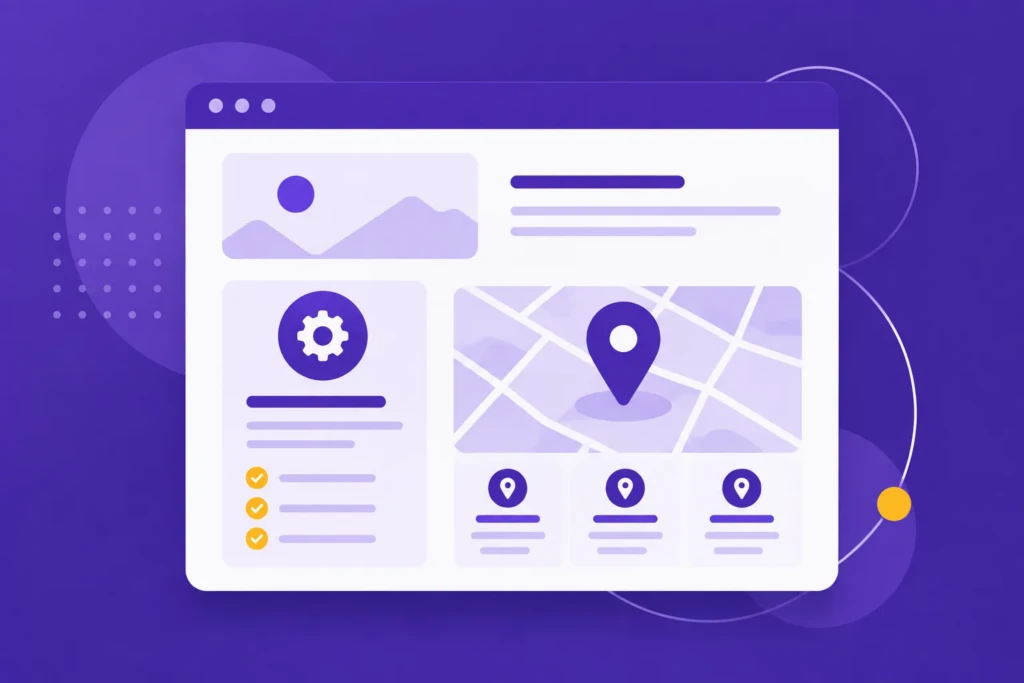
A service-area website should answer two questions quickly:
- What problem do you solve?
- Where do you provide that service?
The homepage should make the primary service, general service area, and next step obvious. A visitor should not have to study a map, read the entire About page, or guess whether you work in their city.
A practical site structure often includes:
- A homepage that introduces the business and broad service area
- Separate pages for important services
- A service-area page explaining where and how you work
- Location pages for markets that need their own content
- A contact page that works well on a phone
A consultant may need pages for strategy, planning, and ongoing support. A home-service company may organize its site around repairs, installations, and maintenance.
Give each major service a clear place on the site. Do not hide unrelated offers under a vague heading such as “Solutions”. Each service page should explain what the service includes, who it is for, and how a customer begins.
Clear service pages help people make decisions and give search engines better context. The page title, headings, copy, internal links, and contact information should all reinforce the same service.
Use Location Pages Carefully
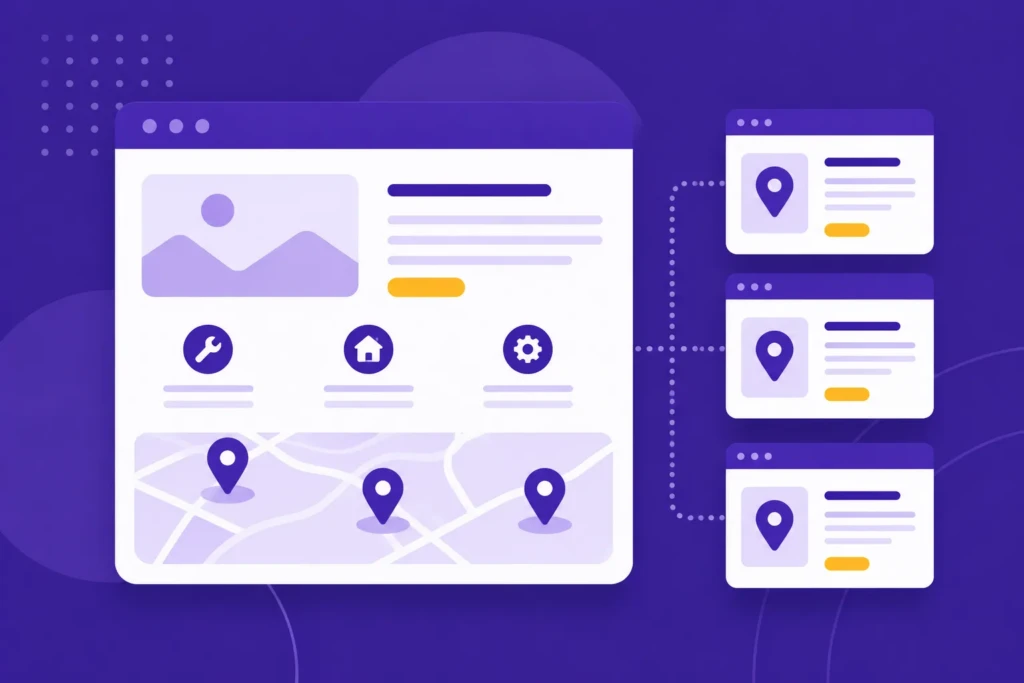
Location pages can help when a business serves several meaningful markets, but they are not necessary for every nearby town.
A location page is worth creating when it gives people useful information about working with the business in that area. It might explain:
- Which services are available
- How scheduling works
- How far the business travels
- Whether travel fees apply
- What types of projects are common there
- Which local examples or reviews support the page
For example, a mobile physical therapist may serve several parts of a metro area but offer different appointment arrangements depending on travel time. A location page can explain those details and help a prospective patient decide whether to reach out.
A page that only changes the city name does not provide much value. It creates repetitive content for readers and gives the business more pages to maintain without adding useful information.
If several cities are served in essentially the same way, one strong service-area page may be better than a collection of thin location pages. Add a separate page only when the customer experience, service offering, local proof, or practical details are meaningfully different.
Make Local Relevance Visible Through Real Proof
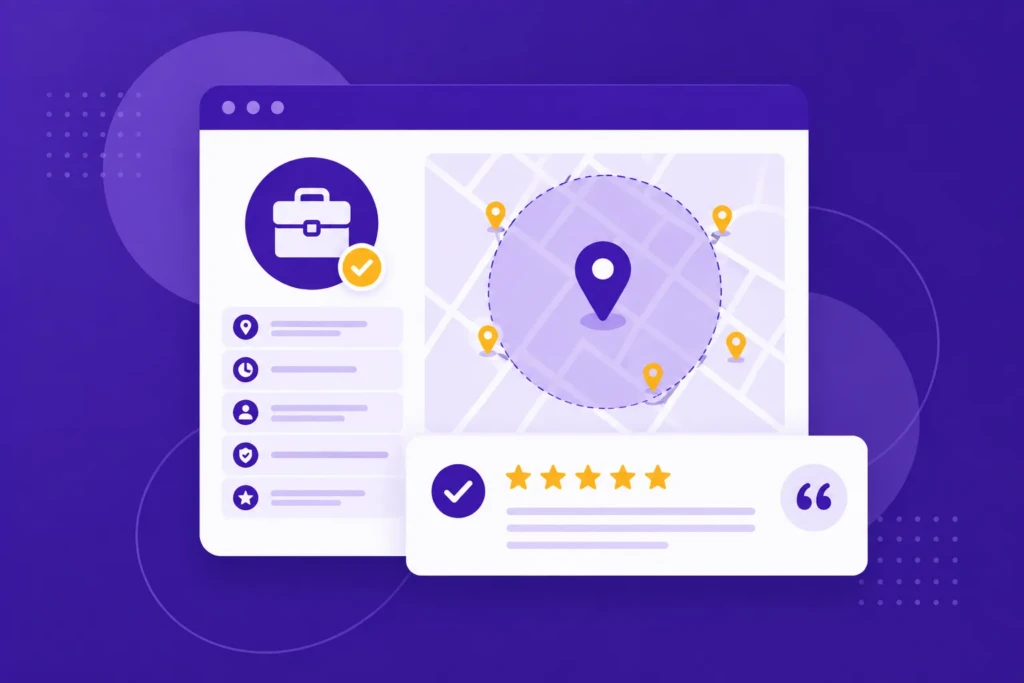
A business does not need a storefront to demonstrate local experience. Reviews, project examples, photos, partnerships, and clear service details can show that the business works with people in the areas it serves.
Useful local proof might include:
- Reviews that describe the service
- Project examples from the service area
- Photos of completed work
- Partnerships with local organizations
- Community involvement
- Clear information about travel and scheduling
Ask customers for honest reviews about the service they received. Do not script reviews or pressure customers to repeat a particular city name. Specific feedback about the work is more useful than a review written to satisfy a keyword target.
Project examples can provide even more context. A photographer might explain the type of event and the planning involved. A contractor might describe the property, the problem addressed, and the finished work. A consultant might explain the business situation and the decisions the engagement helped clarify.
This information gives potential customers a better sense of what it is like to work with the business. It creates local context without pretending that the company has a public office in every area it serves.
Real examples and honest customer feedback give people useful local context before they contact you.
Keep Your Business Details Consistent
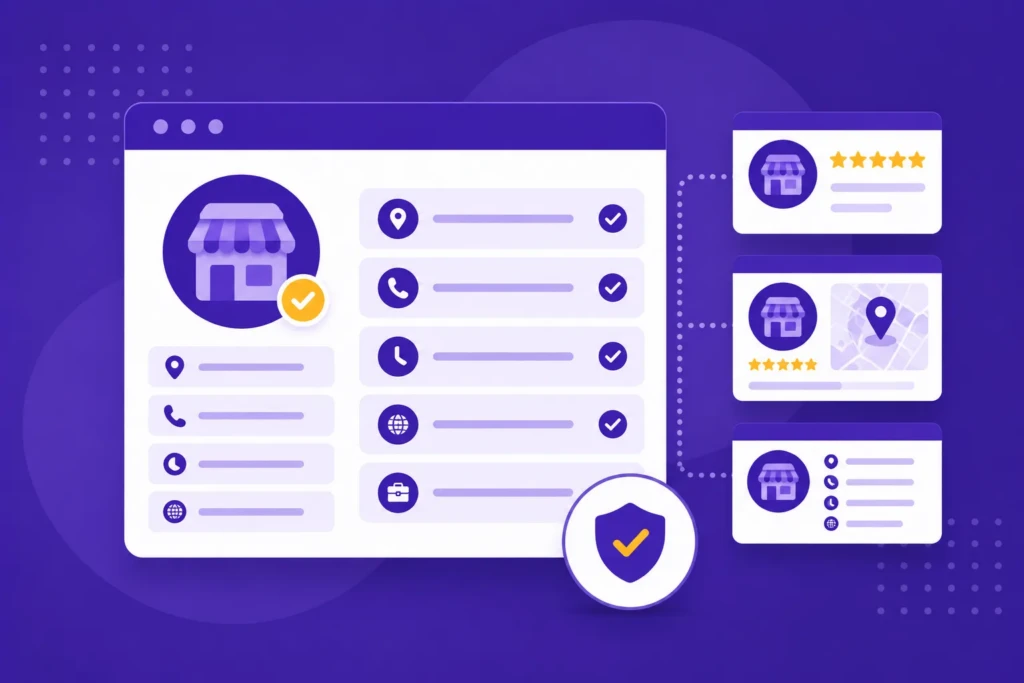
Your business name, phone number, website, hours, and service information should agree wherever the business appears.
Check the places customers are most likely to find you:
- Your website
- Google Business Profile
- Social profiles
- Industry listings
- Established local directories
Look especially for old addresses, outdated phone numbers, incorrect hours, and service areas the business no longer covers. A former office location can be particularly confusing if it still appears on a directory or social profile.
Consistency does not mean every profile needs identical wording. It means the important facts should not contradict one another. A customer should see the same basic business information whether they find you through Google, a directory, or your website.
Update the website and Google Business Profile first, then work through the most established listings. A small number of accurate profiles is more useful than a large collection of neglected ones.
Directory work should support the customer experience, not become a maintenance project with no clear business value.
Mistakes That Make Service-Area SEO Harder
The most common problems come from trying to look more local than the business really is.
Using a Fake or Non-Customer-Facing Address
A virtual office, mailbox, or private address can create the wrong expectation and may put the business profile at risk. Hide the address when customers do not visit it.
Creating a Page for Every Nearby Town
A collection of nearly identical location pages is difficult to manage and gives readers little reason to choose one page over another. Focus on the services and markets that matter most.
Repeating City Names Everywhere
City-name stuffing makes pages harder to read without making the service more relevant. Mention locations where they provide useful context, then write naturally for the customer.
Hiding the Service Area
If a customer cannot tell where you work, they may leave before contacting you. State the primary area clearly and explain how you handle requests outside it.
Treating Your Profile as Your Website
A Google Business Profile can help people discover the business, but it cannot explain every service or answer every practical question. Use the profile to support a website that provides the fuller context and next step.
Decide What to Improve First

Most service-area businesses should fix the basics before investing in a large SEO campaign.
Start with the homepage. Can a new visitor identify the service, service area, and contact path within a few seconds? If not, improve that message before adding more pages.
Then review the Google Business Profile:
- Is the business type accurate?
- Is the address hidden when customers do not visit it?
- Is the service area realistic?
- Are the phone number, website, and hours current?
- Do the services and photos represent the business accurately?
Finally, review the pages for your most important services. Improve pages that are vague, combine unrelated offers, or provide no evidence that the business understands its customers.
A redesign is not automatically necessary. If the current site has a usable structure and can be updated, focused improvements are usually the practical choice.
A larger rebuild makes sense when the site cannot represent the service area accurately, performs poorly on mobile devices, or prevents you from explaining the business clearly. Otherwise, improve the pages and information that directly affect how customers find and contact you.
Putting This Into Practice
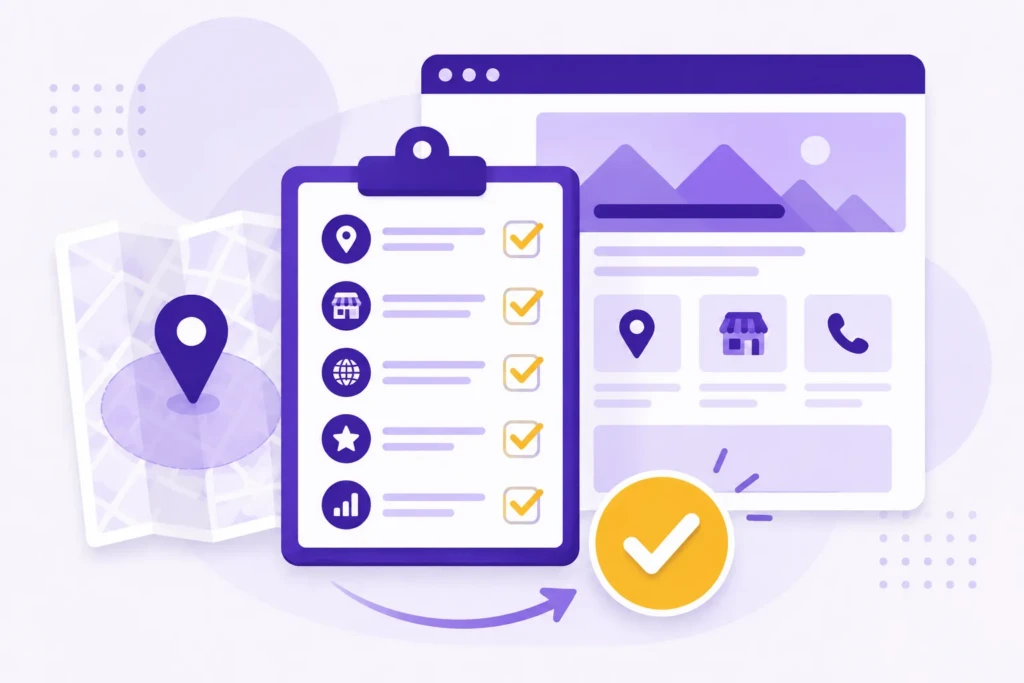
SEO for a service-area business is not about pretending to have a storefront. Good service-area SEO presents the business accurately, explains where it works, and makes the next step easy to find.
Review your Google Business Profile and website together. They should agree about:
- The services you provide
- The places you serve
- How customers contact you
- What happens after someone reaches out
Then improve the pages and proof that support your most important services. You do not need to appear in every nearby market. You need to be clear, credible, and easy to contact in the places where you can actually serve people.
Work With TCB Studio
TCB Studio helps small businesses improve website structure, service pages, local SEO foundations, and customer contact paths.
For a service-area business, that may include correcting location information, organizing services, deciding which location pages are worth keeping, or revising a website that makes the business look tied to a storefront it does not have.
A focused review can identify the changes that will make the site clearer and more useful before you commit to a larger project.