No products in the cart.

What is a Redirect Chain?
A redirect chain occurs when a webpage URL redirects to another URL, which redirects to another URL, creating a sequence of redirects before reaching the final destination.
It’s like a series of detours that lead to a final page. They should be avoided because they slow down the site and affect SEO.
Negative Effects of Redirect Chains
Here are some key reasons why you should avoid redirect chains:
SEO Problems
Redirect chains can significantly affect a website’s SEO performance. They consume crawl budget and weaken internal links, making it harder for search engines to efficiently index pages.
Poor Website Performance
Each redirect adds an additional HTTP request, increasing page load time. This is particularly bad for mobile users on slower connections. Moreover, redirects increase server load and consume more bandwidth and resources, which could be better used for delivering content. This not only affects user experience but can increase operational costs.
Link Equity Issues
Redirect chains can dilute the link equity passed between pages.
Think of it like a recommendation from a friend of a friend. Although the information remains the same, it lacks impact. Google and other search engines tend to mimic this logic when prioritizing results.
Bad User Experience
Users who expect to visit a page might become frustrated by delays and confusion caused by multiple redirects. This can lead to a negative perception of the website, decreasing user satisfaction, and potentially reducing repeat visits.
Analytics Challenges
Redirect chains pose challenges in monitoring and managing a website. They can complicate tracking user journeys and conversions, as they may interfere with analytics scripts and cookies.
How to Detect Redirect Chains
Detecting bad redirects is important to maintaining site health and performance. Below is a concise guide to identifying these chains.
SEO Tools
There are various online tools and services available for detecting redirect chains. We recommend these for most technical audits:
These tools provide detailed reports that highlight the URLs involved in the chain and the types of redirects used. Screaming Frog is great for beginners because it lets you crawl up to 500 URLs for free.
Browser Developer Tools
Most modern web browsers come with built-in developer tools that can be used to track redirects.
In Google Chrome
- Right-click on a webpage.
- Click Inspect.
- Go to the Network tab.
- Navigate your site with the Network tab open to see the status codes of each request. 3xx HTTP status codes usually indicate redirects, and you can trace the redirect path in this panel.
Web Server Logs
Another effective method is to analyze your web server logs. These logs contain detailed records of all requests made to the server, including any redirects.
If you’re not sure about any of that, don’t worry! You can use other methods. If a large site is involved, it is advisable to work with a skilled engineer.
Manual Checking
For a more hands-on approach, you can manually check for redirects by visiting URLs and noting if the browser’s address bar changes unexpectedly.
This method is time-consuming and impractical for larger sites, but it can be useful for conducting spot checks.
Once you’ve identified redirect chains, document them and plan their resolution.
Is It Ever Good To Use Redirect Chains?
While uncommon, there are scenarios where a redirect chain might be beneficial despite the general recommendation to avoid them:
- Gradual Website Migrations: During large-scale website migrations or redesigns, redirect chains can be a temporary solution to ensure that users and search engines can still access content as the site’s structure changes. It allows for a phased migration, where old URLs are redirected to interim URLs, which are then redirected to the final URLs once the migration is complete.
- Tracking and Analytics: Sometimes, redirect chains are used to track user clicks or for analytics. For example, an initial URL may redirect to a tracking URL, which then redirects to the final destination. This allows the website to gather data on user behavior or campaign performance.
- A/B Testing: In A/B testing scenarios, redirect chains can be used to route different user segments to different page versions for testing. This often involves an initial redirect to a testing server or tool, which then redirects to the specific version of the page.
- Third-Party Platform Constraints: External platforms or third-party services can sometimes result in redirect chains. This is often out of the direct control of the website manager, especially when using complex web services or platforms with redirect systems.
- Temporary Promotional Redirects: For short-term marketing or promotional campaigns, a redirect chain can guide users through a series of pages, such as a special-offer landing page that redirects to the main product page.
The key is to ensure the redirect chain is as short as possible, serves a clear and necessary purpose, and is monitored for performance impact. Additionally, once the specific need for the chain is resolved (e.g., completing a website migration), revisit and streamline the redirects to avoid long-term negative effects.
How to Fix Redirect Chains
While there are many ways to address them, these tips should help out in general situations:
- Analyze Each Chain: Map out and understand the purpose of each redirect in the chain. Determine which redirects are essential and which can be removed.
- Reduce Redirects: Modify the initial URL in the chain to point directly to the final destination, eliminating unnecessary intermediate steps.
- Update Internal Links: Review and update links on your website to point directly to the final URLs, thus bypassing any redundant redirects.
- Consolidate Necessary Redirects: When multiple redirects are unavoidable, streamline them so each one leads directly to its final destination without additional hops.
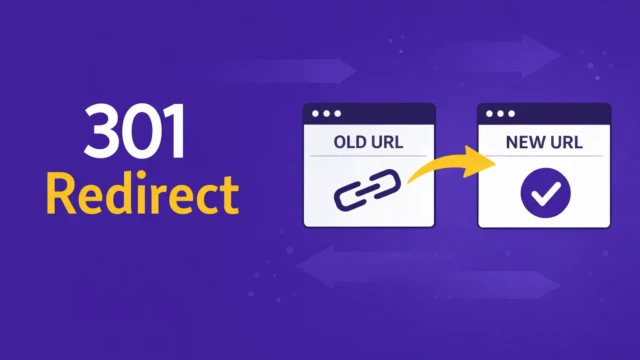
- Use 301s for Permanent Changes: Apply 301 redirects to maintain SEO value when making permanent URL changes.
- Conduct Regular Audits: Include redirect checks in your routine website audits to identify and address new redirect chains. Many SEO tools, such as those mentioned above, can automate this process through scheduled crawls.
- Seek Technical Assistance if Needed: For complex or large-scale websites, consider hiring a web developer or SEO specialist to manage redirects effectively.
- Test and Monitor Post-Implementation: After implementing changes, test the website to ensure all redirects function correctly and monitor the site’s performance.
Bottom Line
Redirect chains generally pose challenges to SEO, user experience, and site performance. Identify and minimize them using tools such as Screaming Frog. Streamline redirects to ensure direct pathways and update internal links to optimize your website and search engine visibility.