No products in the cart.

Duplicate content is a term in Search Engine Optimization (SEO) that describes content that appears in more than one place on the internet. For example, the content can be identical on the same site or on other sites.
Google and other search engines may not know which version of the content to index or rank for relevant search queries. This confusion can negatively impact a website’s SEO, so understanding how to prevent and deal with duplicate content is vital.
Types of Duplicate Content
While most people who work with websites only need to worry about duplicate content on their site, there are different types of duplicate content.
On-site
This happens when the same content is accessible through multiple URLs on the same website. For instance, if a blog post and a news update on your website have the same content, search engines will struggle to understand which one to show in search results. Users will also be confused, as they will have difficulty determining the right page.
Off-site
This happens when the content on your website is identical to, or extremely similar to, that on other websites. For example, if you have a product description on your site and the same description appears on another website, this is considered off-site duplicate content.
The Problem for SEO
Duplicate content is not directly penalized by Google or other search engines. However, when search engines encounter multiple pieces of similar content, they must choose one to display in search results. Consequently, the right content might not be selected, causing it to rank lower or not rank at all.
How to Check Duplicate Content
There are several ways to identify this common issue:
- Manual Checking: This is the simplest method, but it can be time-consuming and is only feasible for small websites.
- Google Search Console: Use Search Console to identify pages that Google perceives as duplicates. Duplicate content reports can be found under Indexing > Pages. From there, it should show any relevant errors.
- SEO Tools: Tools such as Semrush, Ahrefs, and Moz can help you identify duplicate content across your website. These are paid options with steep subscriptions, but recommended if you’re making continuous SEO efforts.
How to Fix Duplicate Content
Once you’ve identified issues, there are several ways to handle them:
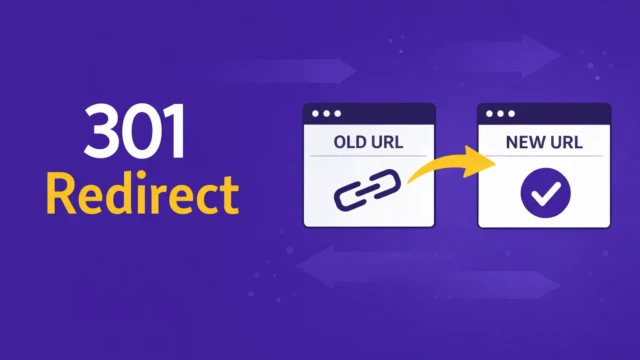
- 301 Redirects: If you have two pages with identical or highly similar content, consider redirecting the lesser-performing page to the better-performing one.
- Canonical Tag: Use this HTML tag to tell search engines that certain similar URLs are equivalent. This way, you specify which URL you’d like to appear in search results.
- Meta Robots Noindex: Use the ‘noindex’ tag to prevent search engines from indexing duplicate pages. However, this should be used sparingly as overuse can lead to significant chunks of your site being de-indexed.
- Content Revision: If possible, revise the content to make it unique. Don’t just vary some words so it passes the robot test. Make sure each page fulfills a different search intent. If they can’t, consider deleting what’s unneeded.
- Consolidate Content: If you have several pages with similar information, consider combining them into one comprehensive page.
Preventing Duplicate Content
Here are some steps to prevent issues in the future:
- Consistent Internal Linking: Ensure every internal link pointing to a page uses the same URL.
- Use a Content Management System (CMS): These often include built-in features to prevent duplicate pages, such as generating unique URLs for each page.
- Avoiding Similar Content: When creating new pages, ensure they’re unique and provide different information from what’s already on your website.
- Avoid Posting Syndicated Content: Syndicated content is distributed across multiple websites, resulting in duplicate content. If you do syndicate, use a canonical link to the original content.
Bottom Line
By understanding what duplicate content is, its consequences, and how to handle and prevent it, you can ensure your website performs better in search results, resulting in more traffic and higher engagement.